The preparation of scientific competencies in various fields of knowledge, and the production of innovative scientific research aims to serve society by providing exemplary education in an intellectually stimulating university environment.
Jobs | Scholarships | Students | Staff | Alumni
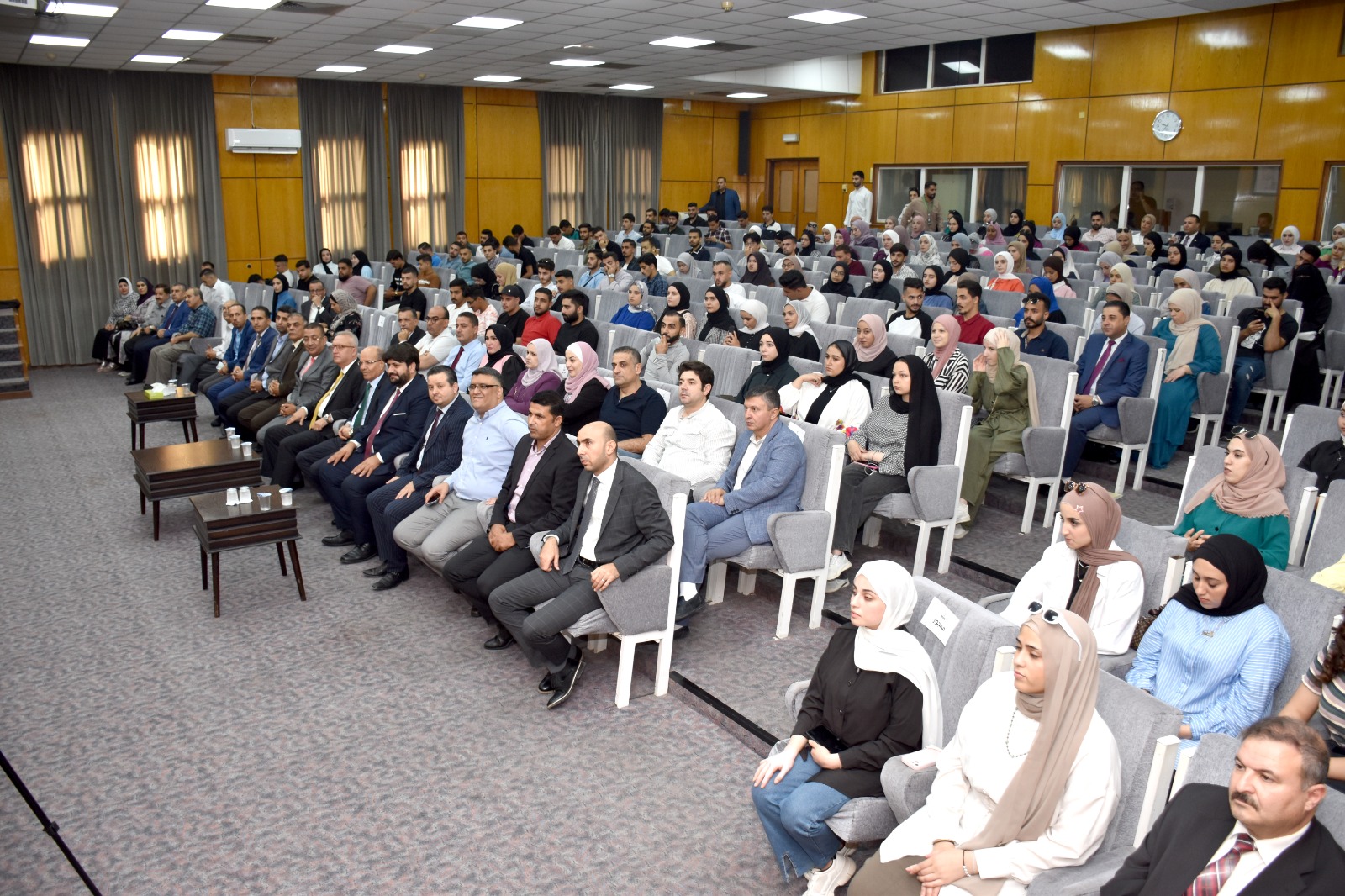
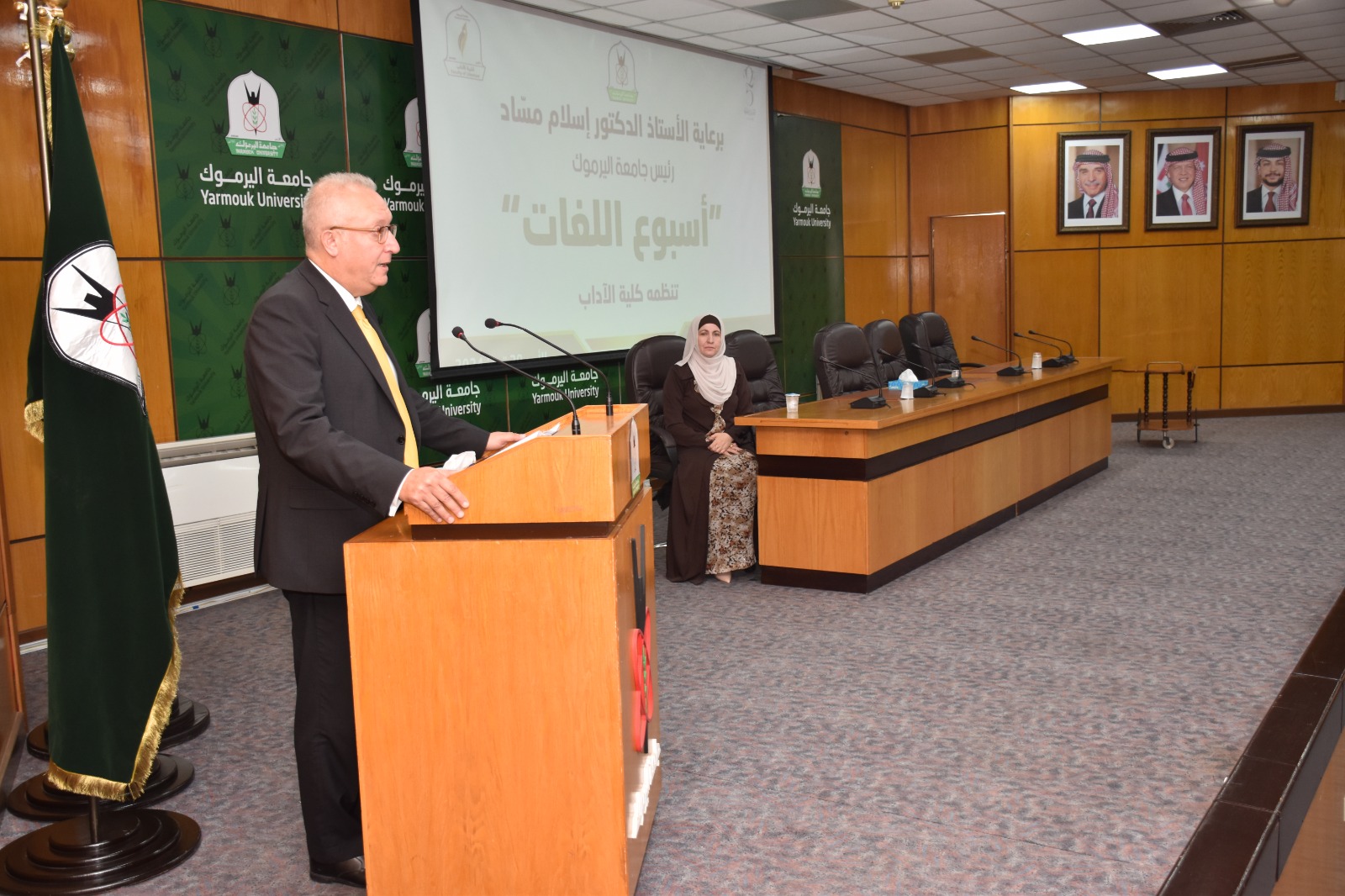
The President of Yarmouk University, Professor Islam Massad, inaugurated the activities of the Language Week organized by the Faculty of Arts, with the aim of increasing students' awareness of the importance of learning international languages.
Massad stressed the University's interest and constant keenness to organize the activities of the Language Week annually to increase students' awareness of communicating with others and opening up to the world, and the positive influence of this on refining their personalities, developing their skills, and preparing them optimally to enter the labor market in a way that meets their ambition and responsibility. He added that the University has provided a wide range of independent academic programs covering various international languages and has worked on developing international language packages, namely Turkish, German, French, Spanish, and Chinese, as an optional university requirement for undergraduate programs of 12 credit hours, indicating that this comes in the context of the University’s continuous efforts to update its study plans, so that it keeps pace with developments in the local, Arab, regional and international labor market. Massad then pointed to Yarmouk University's keenness to network with many internationally prestigious universities, in addition to organizing many events and activities to promote awareness of the importance of languages and their role in building a bright future.
In his turn, the Dean of the Faculty of Arts, Dr. Muhammad Anaqrah, indicated the interest of the Faculty of Arts in languages in line with the University's vision and interest in languages, which is evident by offering packages for some international languages as optional university requirements for some disciplines since the academic year 2022/2023, with the aim of qualifying students and providing them with language skills that contribute to achieving their hopes and aspirations.
Anaqrah pointed out that this week will include distinguished programs for each of the participating languages, introductory sessions on the importance of learning each language, explanations on the mechanism of studying each language, and how to obtain opportunities to continue studying in native speaking countries, explaining that the most important feature of this event is that it is held with the participation of embassies and cultural attachés of the concerned international countries and the active participation of students of different language departments.
Thus, the activities of the Language Week began with the activities of the Turkish Language Day, in the presence of the Director of the Turkish Cultural Institute, Yunus Emre in Amman, Ansar Furat, and the Educational Counselor at the Turkish Embassy in Amman, Hassan Kalali. The activities began with a speech by the Head of the Department of Semitic and Oriental Languages at the Faculty of Arts, Dr. Hassan Al-Zayout, in which he stressed the need for students to immerse themselves in the Turkish language, which demands that the Department, in coordination with the Turkish Cultural Center Yunus Emre, needs to increase the number of Turkish-speaking faculty members. He added that networking has been made with Turkish universities, including Osmangazi University, Anadolu University, May 19 University, Karadeniz Technical University, Istanbul Medenet University, and Yildiz Technical University, by attracting many memorandums of understanding and academic exchange agreements within the Erasmus Plus program through Yarmouk’s Department of International Relations and Projects.
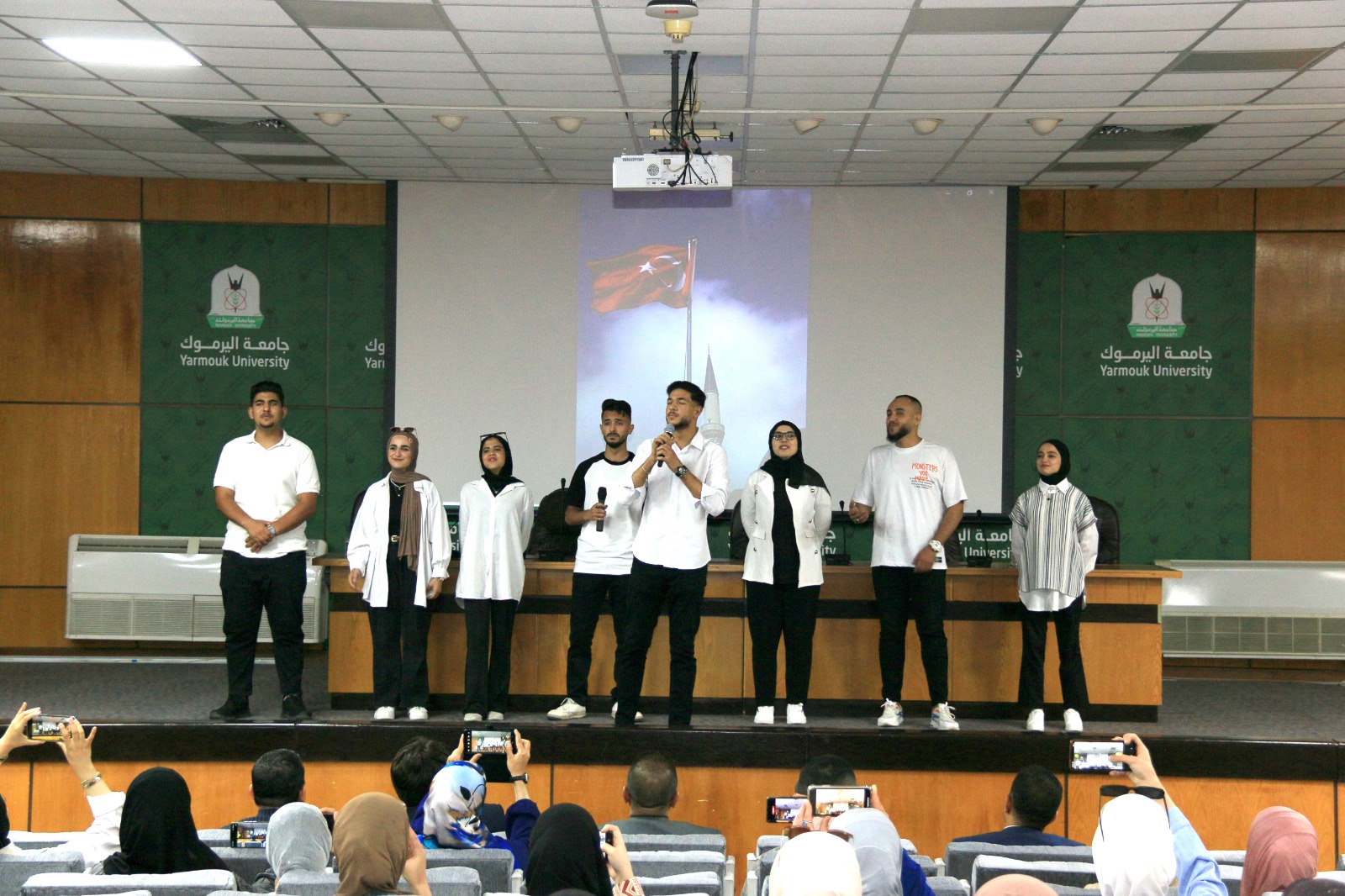
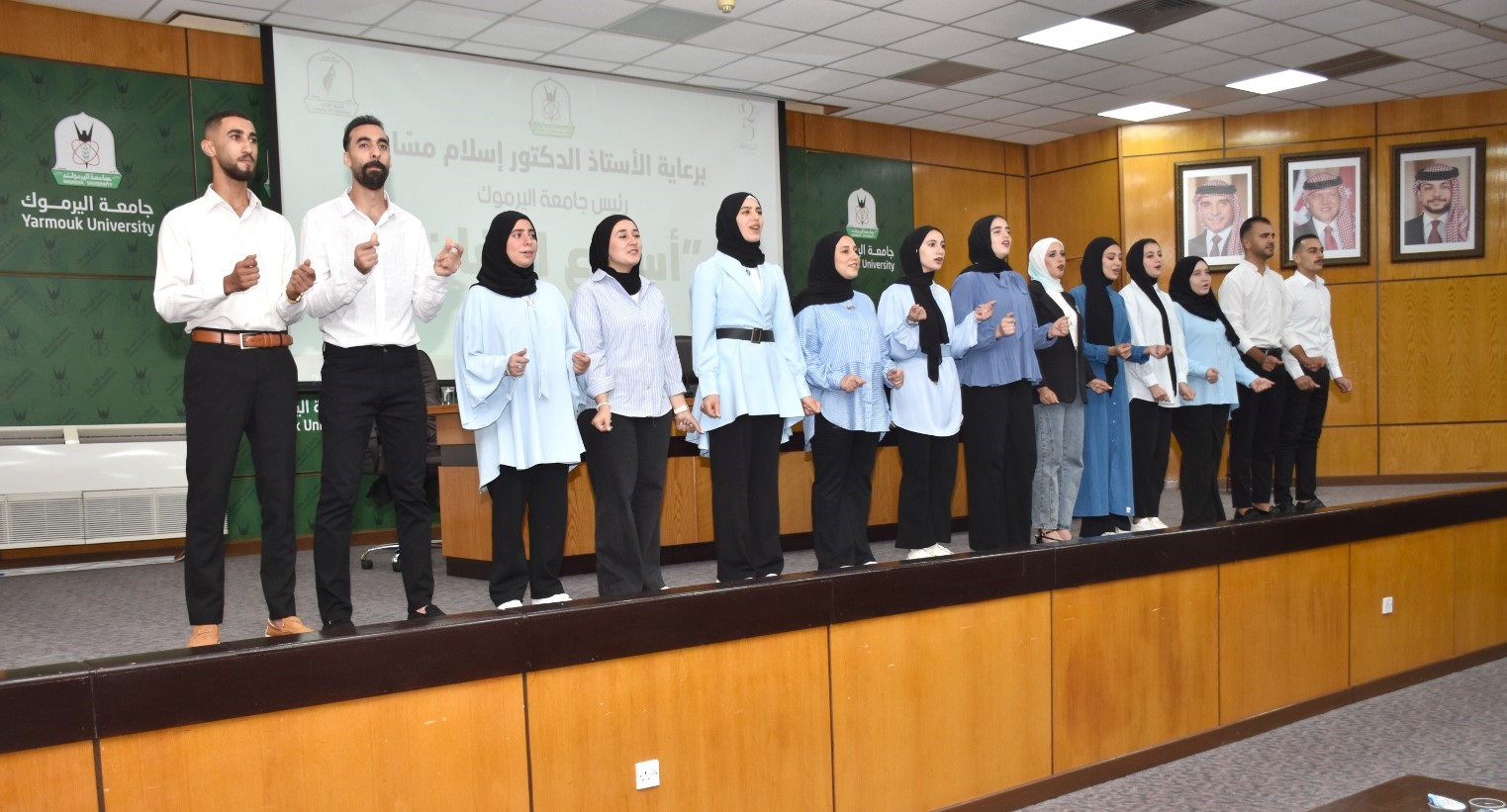
For his part, Furat valued Yarmouk’s efforts in organizing the Language Week, expressing the Institute's support for the Turkish language program at the Faculty of Arts to build bridges of cooperation between the Faculty and its counterpart colleges in Turkish universities and research institutions. However, the activities of the Turkish Language Day included various student sessions, including the performance of some poems and songs in Turkish and the introduction of the most famous Turkish traditional cuisine.
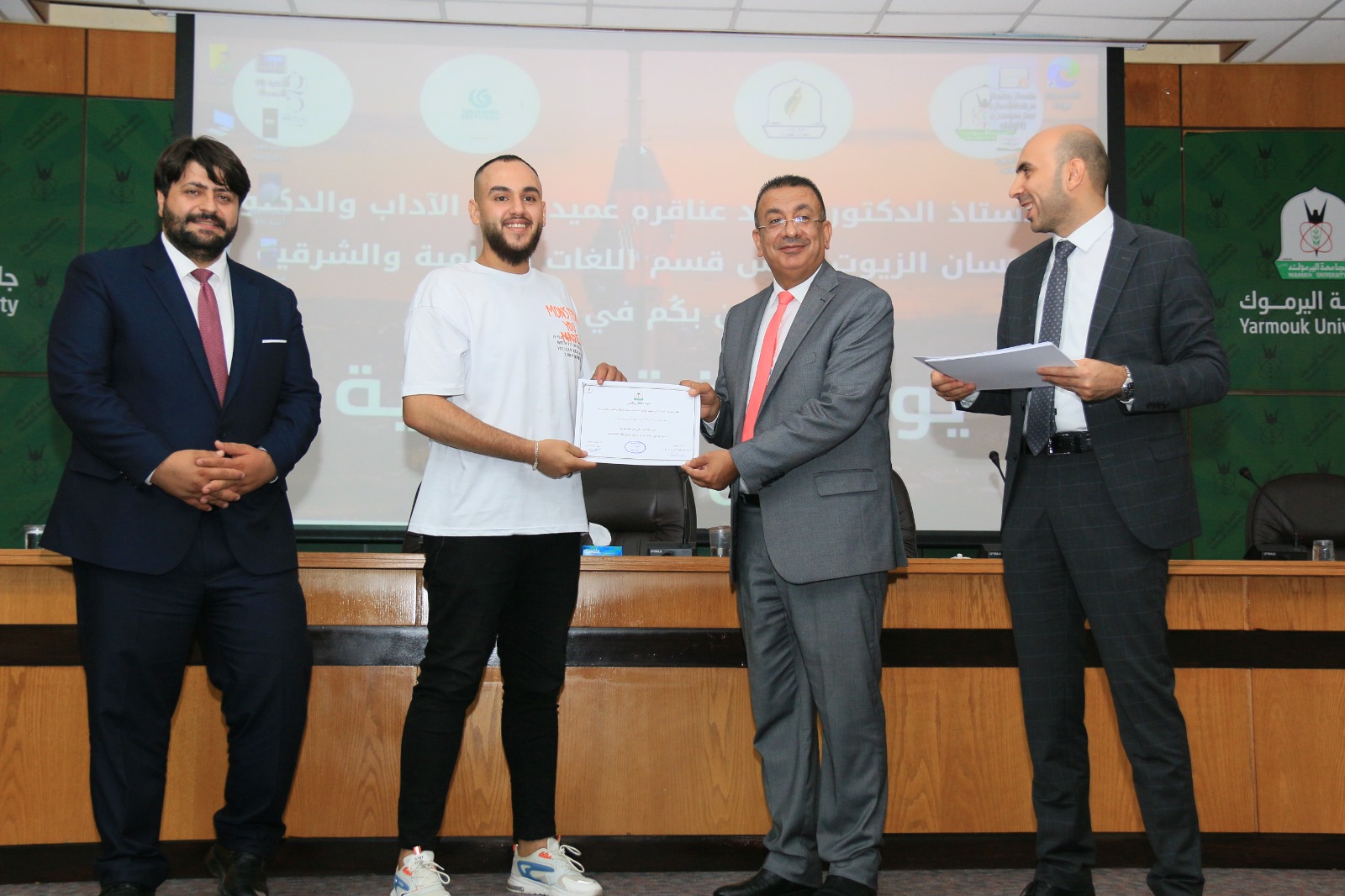
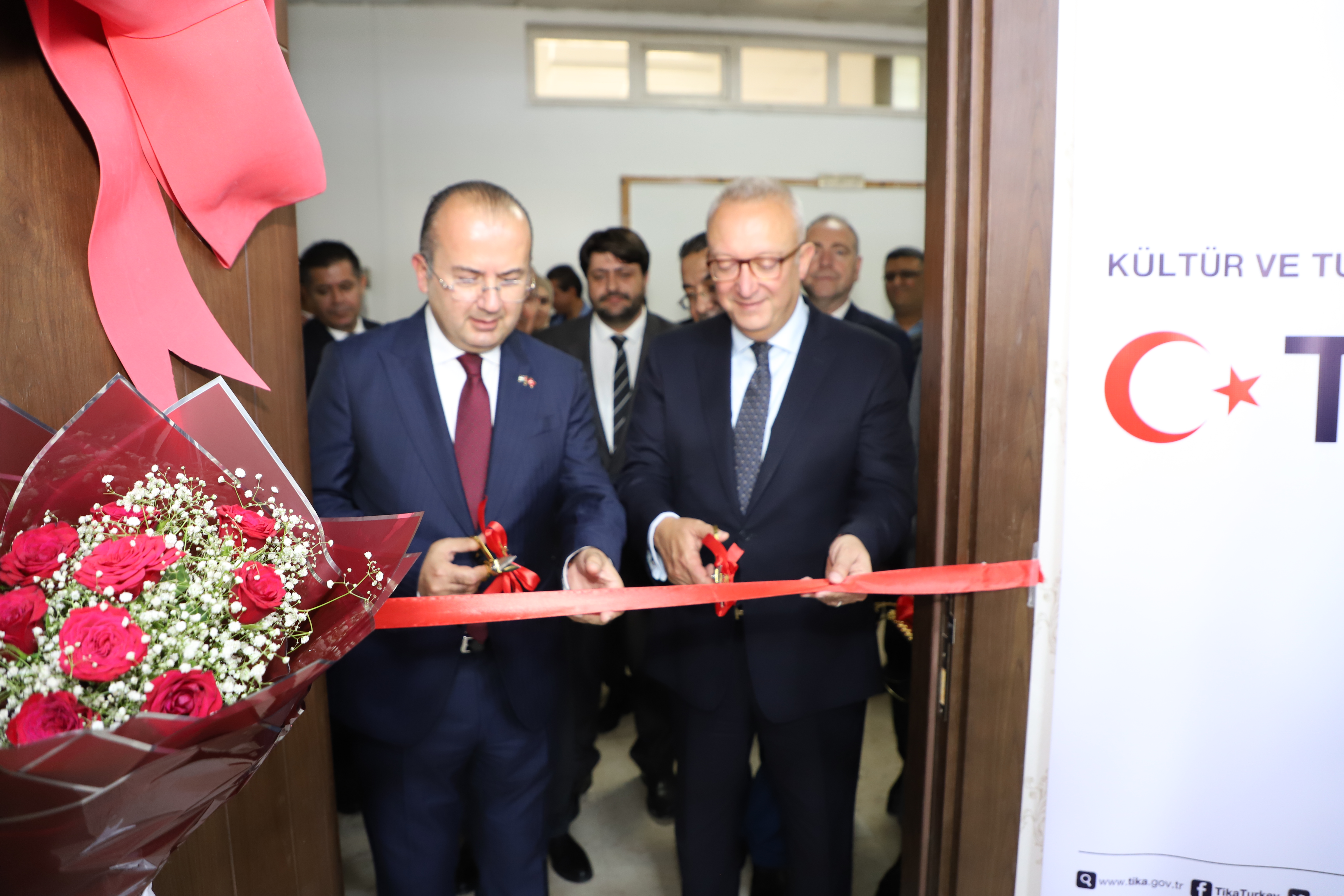
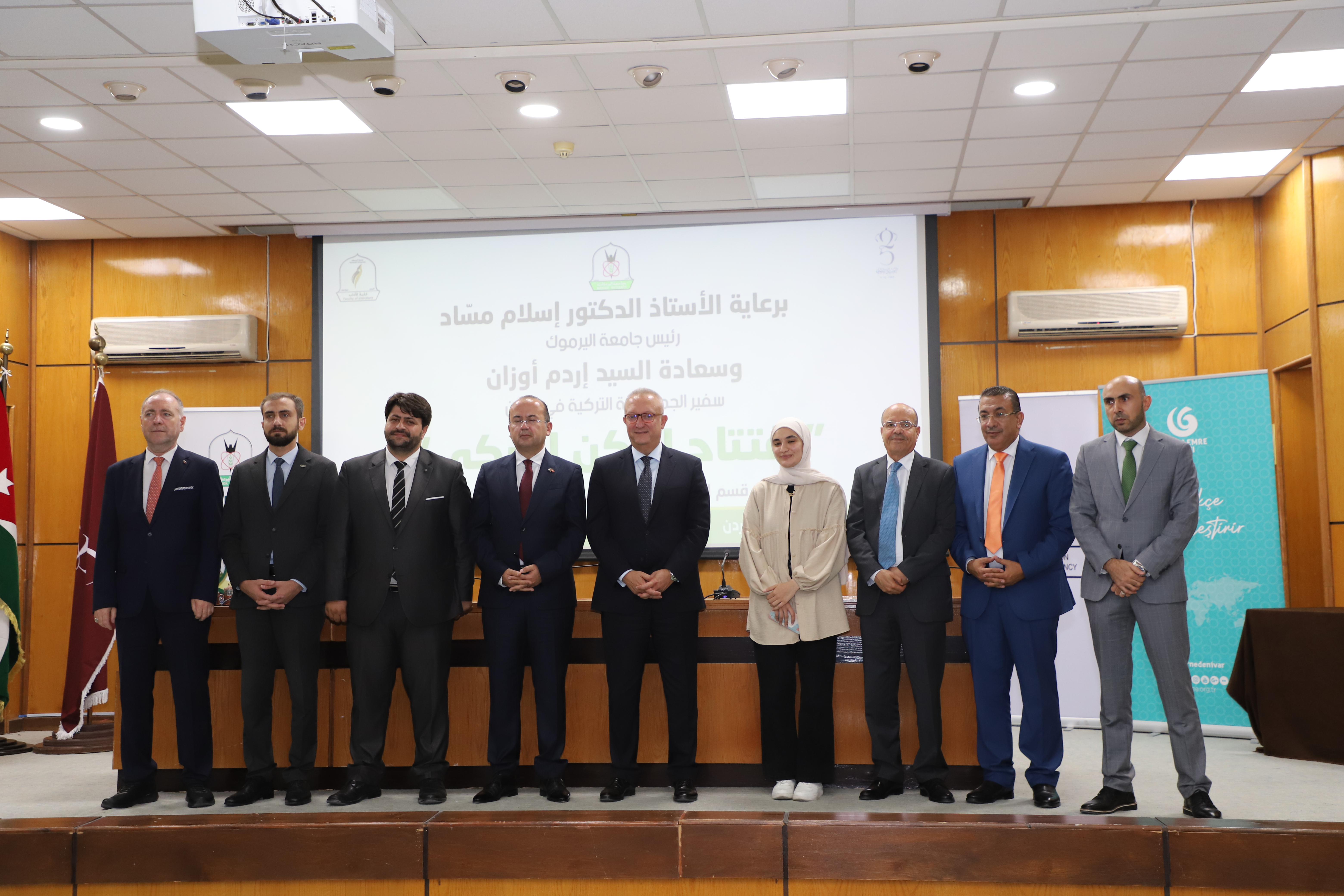
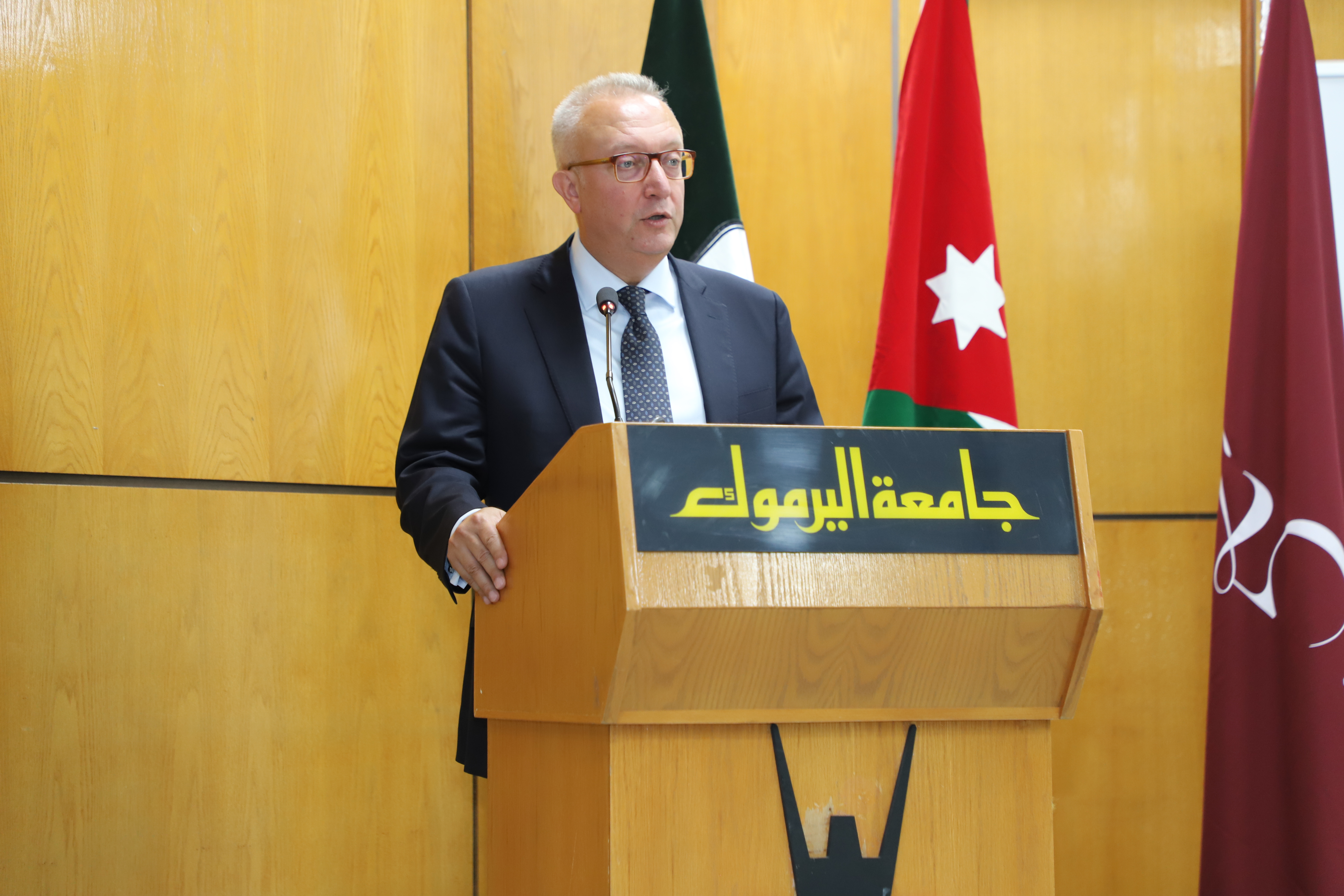
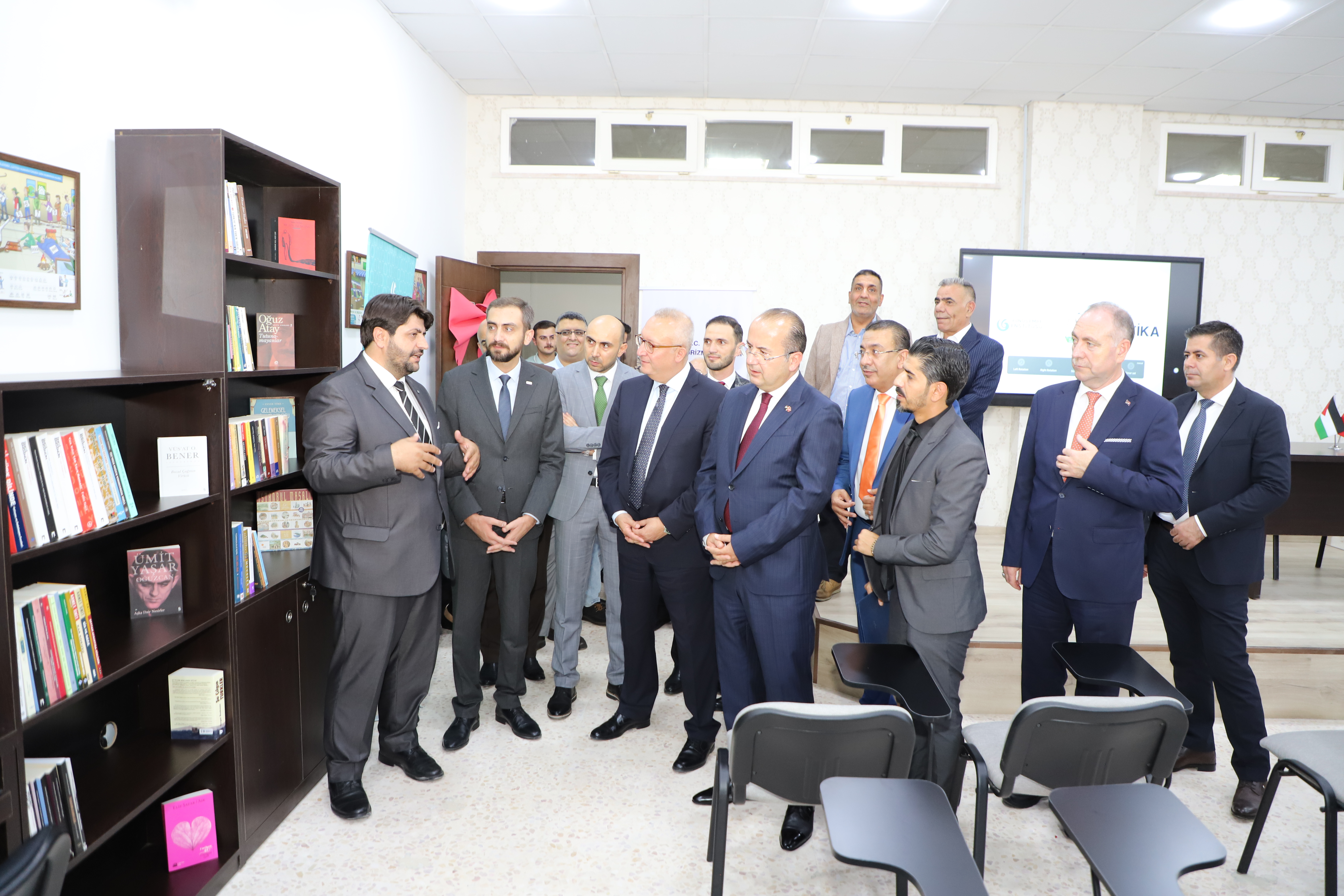
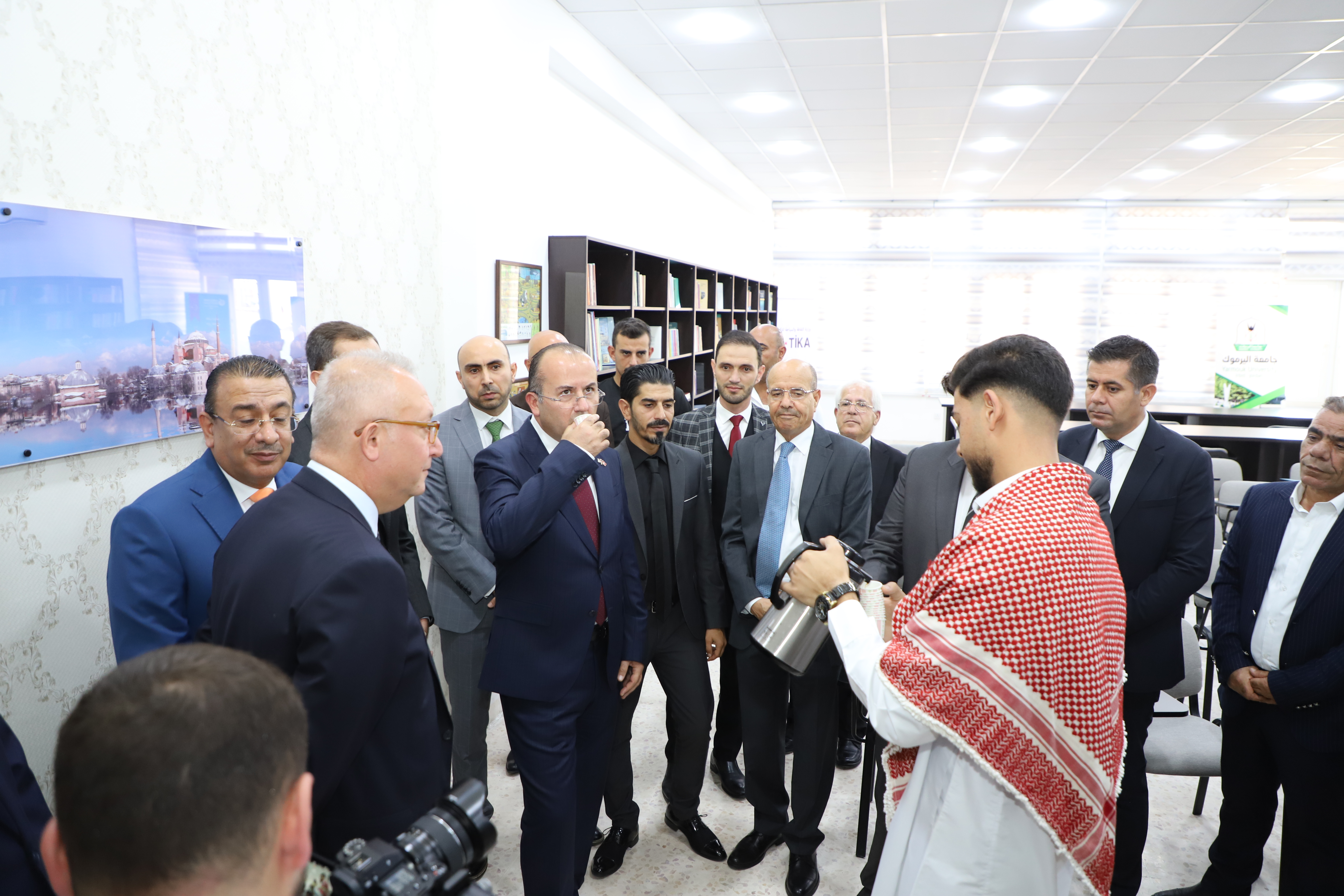
The President of Yarmouk University, Professor Islam Massad, and the Turkish Ambassador in Amman, Erdem Ozan, sponsored the opening of the Turkish Corner Hall at the Faculty of Arts. Massad said that the opening of the Turkish corner at the Faculty of Arts comes as part of the University's strategic plan based on developing partnerships and expanding relations with various embassies, institutions and universities inside and outside Jordan to serve the academic process. He then added that this event will contribute to strengthening the bonds of communication and developing relations and positive interaction between Jordan and the Republic of Turkey, appreciating the continuous support provided by the Turkish Embassy in Amman and the Turkish Cultural Center for the Turkish Language Program in the Department of Semitic and Oriental Languages at the Faculty of Arts.
Moreover, Massad stressed that Yarmouk University has always been a beacon of science and knowledge, and a place where students from different cultural and linguistic backgrounds meet, stressing the University's belief in the importance of communicating with friendly countries like Turkey in preparing the university students, refining their personalities, developing their skills, and preparing them optimally for the labor market. He then pointed out that Yarmouk offers the Turkish language program as an independent program at the Faculty of Arts, which makes it the only Jordanian university that grants an undergraduate degree in Turkish language. Besides, as he explained, Yarmouk offers Turkish language as part of its international language packages taught by the University’s Language Centre, in the context of its continuous efforts to update its study plans and keep pace with developments in the local, Arab, regional and international labor market.
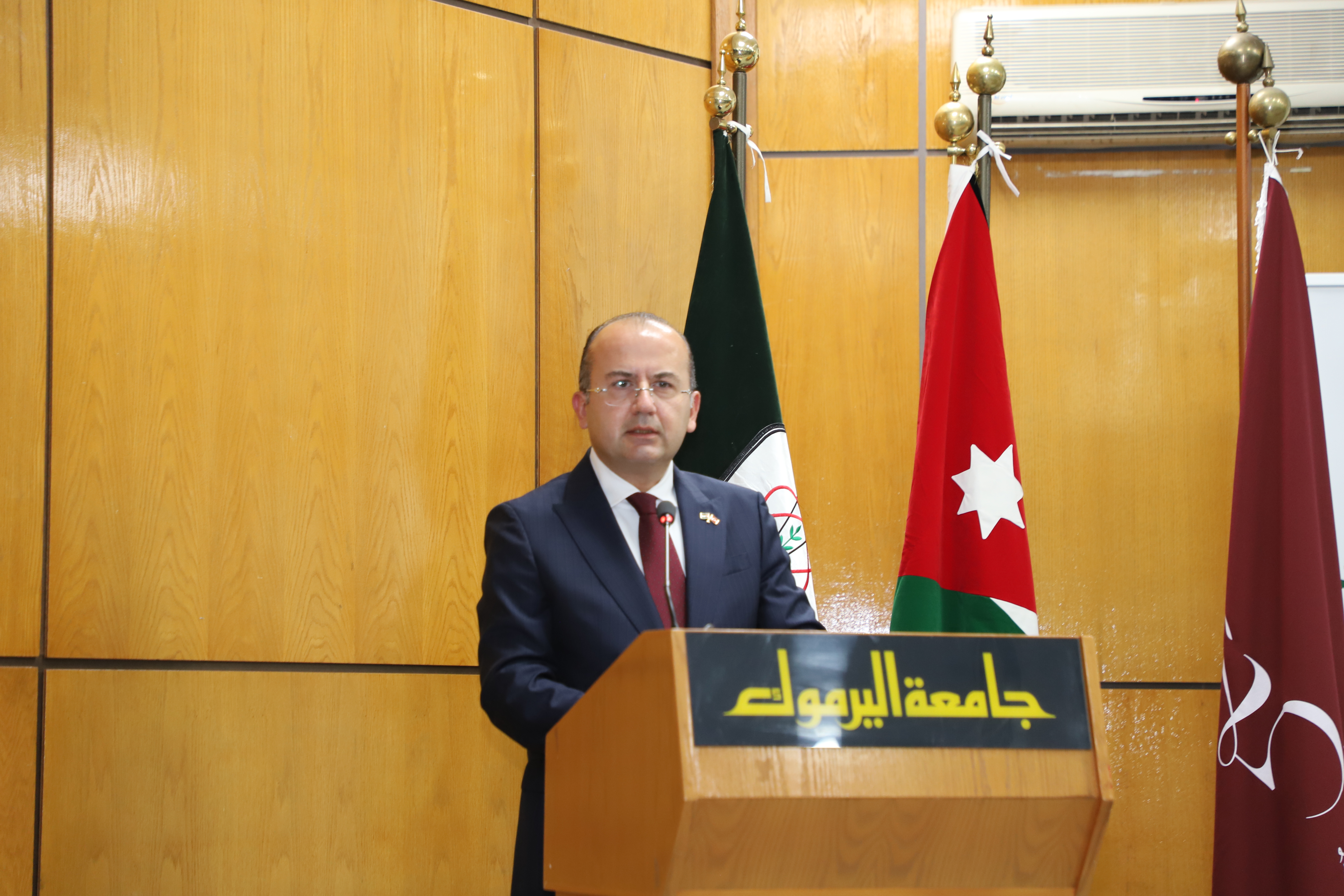
In the same context, Ozan stressed the depth of the strong relationship between Turkey and Jordan, especially in the fields of education and culture, pointing to the interest shown by the Jordanian people and students in the Turkish culture and language. Ozan then praised the efforts of Yarmouk University, represented by the Department of Semitic and Oriental Languages at the Faculty of Arts, which paid great attention to the Turkish Language program, which enabled the students of the program to excel and be creative in their field of study, stressing the Embassy's endeavor to build bridges of cooperation in the field of education between Turkish and Jordanian educational institutions and indicating that within the scope of Turkish scholarships, the number of scholarships granted to Jordanian students for the next academic year has been increased by 30%.
Moreover, Ozan pointed out that there is cooperation and communication with the Jordanian authorities to implement many cooperation projects in various fields, especially in the field of higher education between the two countries, stressing the Embassy's readiness to support Yarmouk University with regard to strengthening and developing the Turkish language program. Besides, Ozan praised the efforts of those in charge of the Turkish Corner, which is a piece of evidence about the strong relationship between the Turkish Embassy and Yarmouk University, praising the cooperation of the Yunus Emre Institute in Amman and the office of the Turkish Cooperation and Coordination Agency "TIKA" in Amman to establish the Turkish Corner project and strengthen humanitarian, scientific and cultural ties between the Turkish Embassy and Yarmouk University.
For his part, the Head of the Department of Semitic and Oriental Languages at the Faculty of Arts, Dr. Hassan Al-Zayout, gave a speech in which he stressed the importance of studying languages and the need for developing it so that learners can communicate continuously with native speakers, which contributes to improving listening and speaking skills, provides a deeper understanding of local expressions and terms, and helps to use the language fluently and confidently. He then stressed the keenness of the Department of Semitic and Oriental Languages in general and the Turkish Language Program in particular to take all necessary measures to achieve real integration among students, by increasing networking with Turkish universities through memorandums of understanding and academic exchange agreements supported by the Erasmus Plus program, in addition to providing seven scholarships at the expense of the Turkish government for students of the Turkish Language program to participate in the summer scholarship program. Finally, Al-Zeyout pointed out that in order to provide a sound linguistic environment for the students of the program, the department, in coordination with the Turkish Cultural Center Yunus Emre and the educational advisor at the Turkish Embassy, increased the number of Turkish-speaking faculty members.
Regarding the Turkish Corner, Al-Zayout said that it represents a very important step in terms of teaching the Turkish language in the Department, as it includes several modern electronic resources such as computers and a smart board for holding meetings remotely, in addition to some other references, studies related to Turkish language and literature, and educational boards. He continued: The Corner will contribute to expanding students' horizons and their openness to the outer world, especially the culture and civilization of the Turkish society, through the diversity of its uses represented by holding seminars and scientific and cultural lectures offered by thinkers and researchers in the Turkish language and literature.
Thus, the opening activities of the Turkish Corner included lyrical performances presented by the students of the Turkish language program and a poetry segment presented by Noor Rajab and Jude Hamza. Moreover, the opening ceremony was attended by the Vice President for Academic Affairs, Professor Musa Rababa'a, the Assistant to the President of the University, Dr. Rami Malkawi, the Dean of the Faculty of Arts, Dr. Muhammad Al-Anaagrah, the Director of the Turkish Cultural Center Yunus Emre in Amman, Ansar Furat, the Educational Counselor at the Turkish Embassy in Amman, Hassan Kalali, and the Director of the Turkish Cooperation and Coordination Agency, Abdul Rahman Soylu.
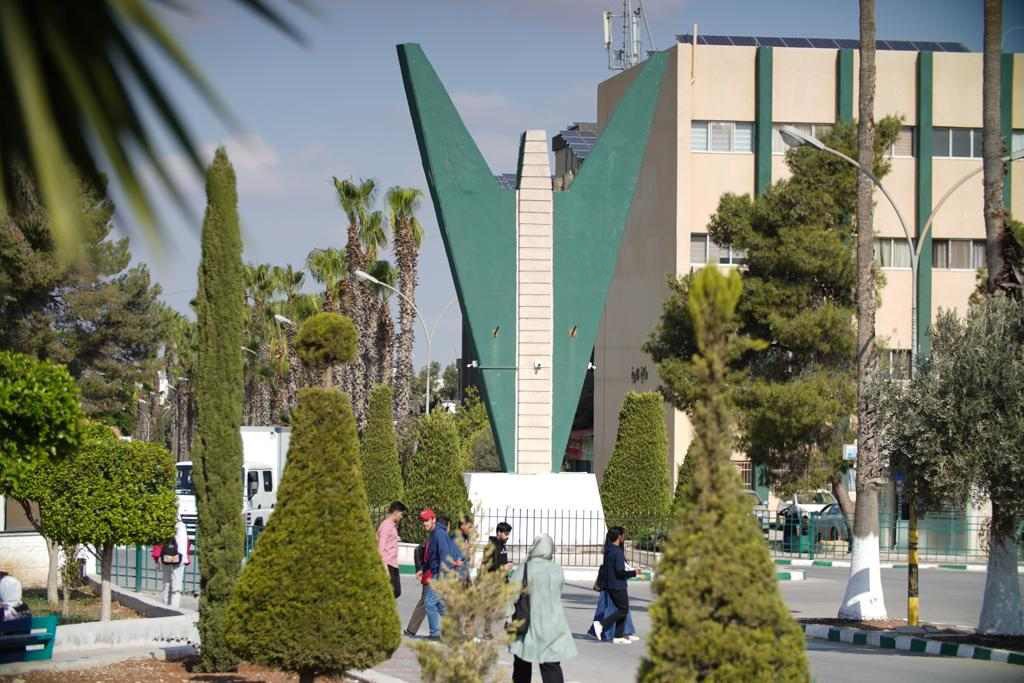
Among 16 Arab universities in the disciplines of social sciences, arts, humanities, and management, the Ministry of Education and Higher Education in the State of Qatar announced the accreditation of Yarmouk University for Qatari students studying at private expense. The Ministry said in a piece of news on its official website that this accreditation is associated with the classification of universities according to study tracks, which can facilitate access to the most suitable universities for study by specialization.
The President of the University, Professor Islam Massad, stressed that the re-accreditation of Yarmouk University by the Qatari Ministry of Education and Higher Education reflects the merit of the strategic plan that Yarmouk is implementing, which aims at making the University a pioneering and distinguished educational institute that contributes to sustainable development and building the society of knowledge by empowering the values of quality and academic excellence.
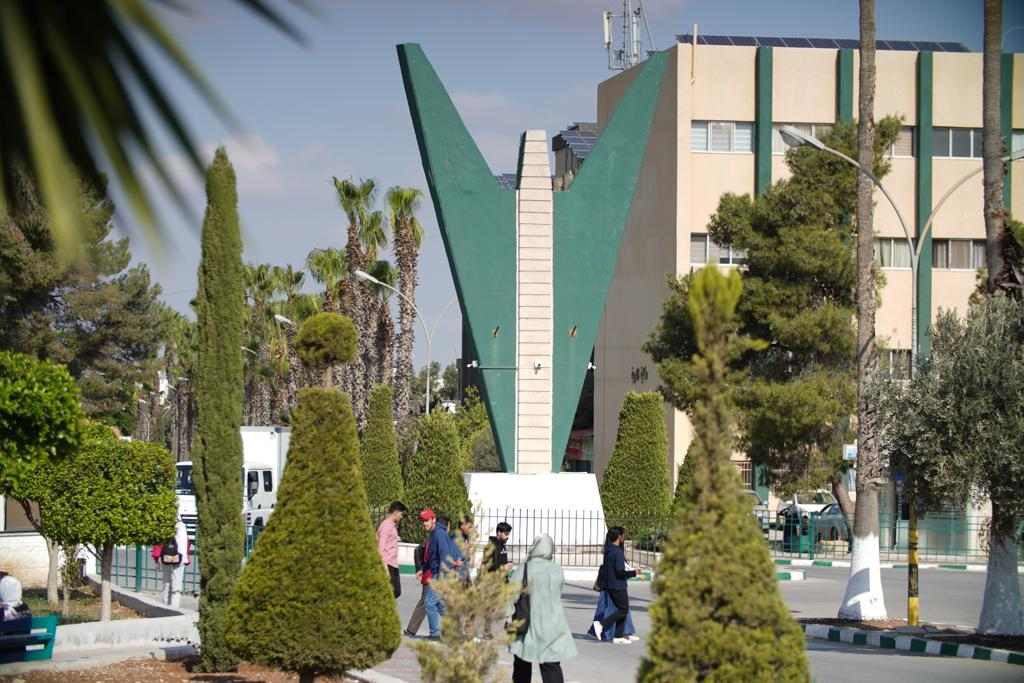
The Ministry of Education and Higher Education in the State of Qatar announced the accreditation of Yarmouk University to study at private expense, among 16 Arab universities in the disciplines of social sciences, arts, humanities and management. The ministry declared in a piece of news on its official website that this accreditation was linked to the classification of universities according to study tracks, which would facilitate access to the most suitable universities for study by specialization.
The President of the University, Professor Islam Massad, stressed that the re-accreditation of Yarmouk University by the Qatari Ministry of Education and Higher Education reflects the merit of the strategic plan that the University is implementing, which is represented in a pioneering and distinguished University that achieves sustainable development and contributes to building a knowledge society by deepening the values of quality and academic excellence.
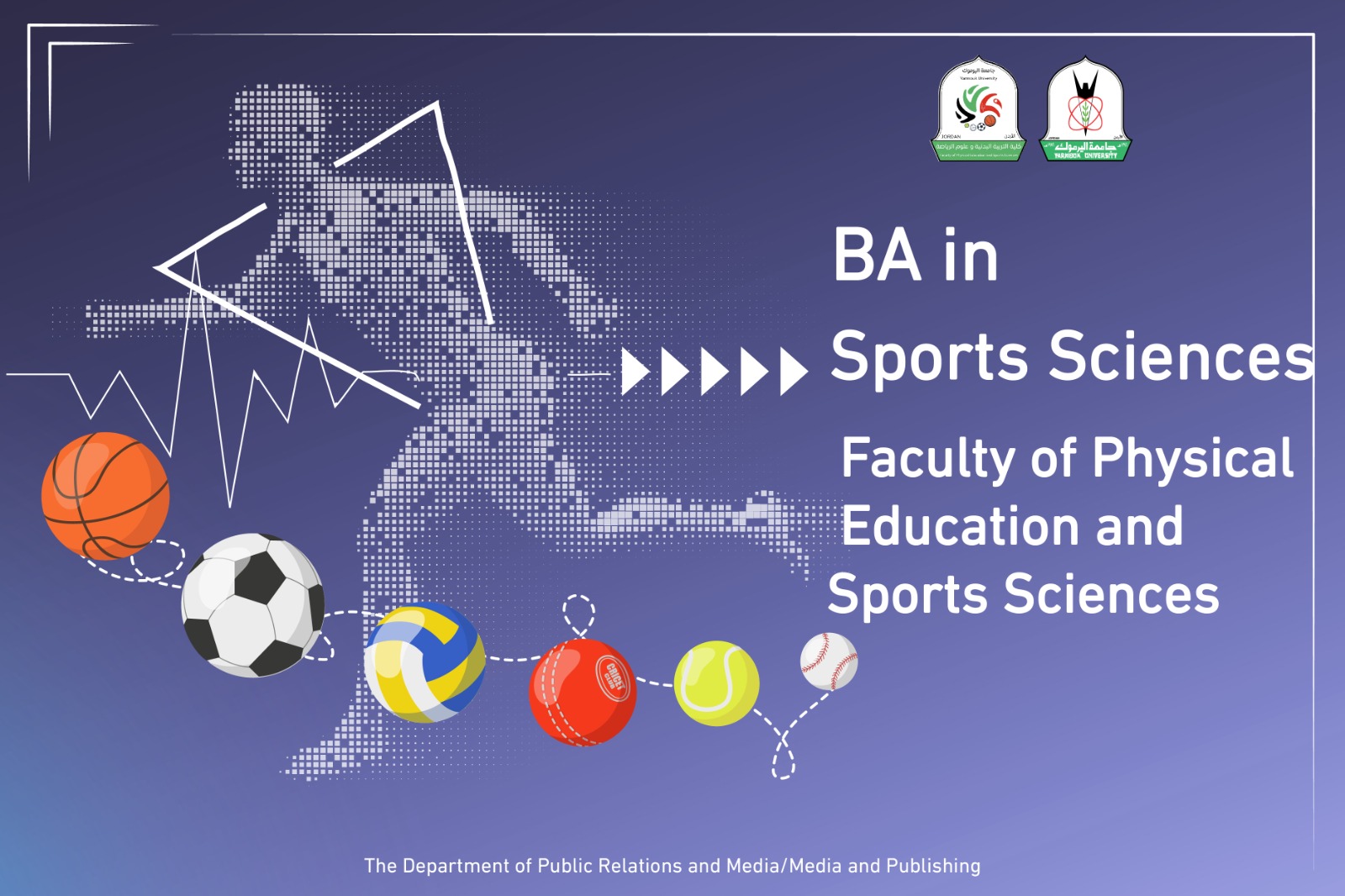
The Higher Education Council decided to approve the establishment of an undergraduate program in sport sciences in the Faculty of Physical Education and Sport Sciences at Yarmouk University, starting the first semester of the academic year 2024-2025. The Dean of the Faculty, Dr. Muhammad Khalaf Diabat, said that this program aims at preparing sport specialists in the various fields of sport sciences and to qualify them and provide them with a high level of knowledge and scientific and practical skills related to all members of society. He added that the study plan of the program includes scientific courses (theoretical and practical) to meet the needs of the labor market and keep pace with scientific development in this field, indicating that the program consists of 93 theoretical hours covering all sciences related to sport sciences, such as kinesiology, biomechanics, physiology of physical effort, athlete nutrition, sport rehabilitation, kinetic analysis and sport marketing. Moreover, Diabat pointed out that the program includes 42 hours of practical process that focuses on qualifying and enhancing the capabilities of the graduate of this program to work in halls, sport clubs, resistance training, aerobics, racket games, swimming and personal trainer.
He continued: This program comes within the framework of Yarmouk University's plan to keep pace with modern developments in the sport field and provide students with knowledge and scientific competence, thus providing the local, Arab and regional labor market with qualified sport competencies in the field of sport training and community health, in addition to achieving scientific coherence between the Department of Sport Sciences and various relevant local, regional and international institutions, such as clubs, sport federations and scientific departments to employ sciences related to various sports sciences. Diabat then stressed that graduates of this program will be able to possess the skills and abilities to conduct scientific research in various fields of sport science to raise the physical and skill level of various segments of society.
As for the job opportunities for graduates of this program, Diabat pointed out that they include working as a coach in sport clubs and teams, swimming coach and lifeguard, sport club management, psychologist in various sports, sport nutritionist, sport product marketing, player business and marketing agent, sport analyst, media personality and sport commentator, in addition to a teacher in schools for physical education and sports.
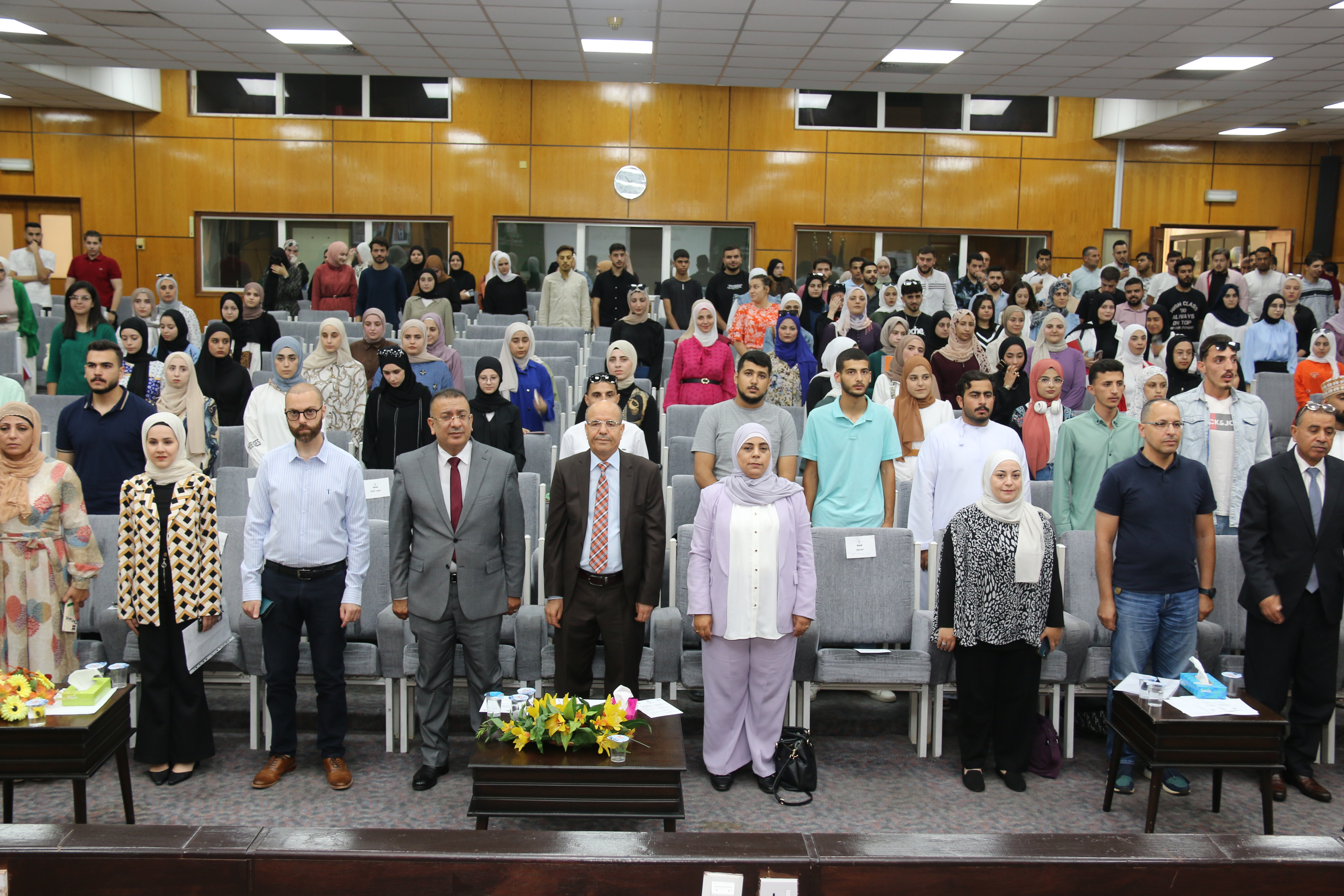
On behalf of the President of Yarmouk University, the Vice President for Academic Affairs, Professor Mousa Rababah, sponsored the opening of the "Study in France" event organized by the Language Center and the Faculty of Arts at the University in cooperation with the Campus France Unit at the French Embassy in Amman. Rababah pointed out that Yarmouk, based on its strategic plan, seeks to provide scientifically and skillfully qualified competencies, refine their personalities, and enhance their abilities, stressing the importance of students learning secondary languages other than their mother tongue. He stated: "Language is the key for future and whoever does not learn other languages remains locked in a shell", stressing that Yarmouk's message is based on enlightenment and leadership, in line with His Majesty's vision of modernization, educational, economic, and political development. With regard to the French language, Rababah pointed out that Yarmouk University aware of the importance of this language, has launched "language packages" including "French", which will expand students' perceptions and horizons and guide them towards completing their higher studies in France that includes universities that are distinguished by offering unique and qualitative specializations in the world.
The Dean of the Faculty of Arts, Dr. Mohamed Al-Angra, gave a speech in which he stressed that this event is a valuable opportunity to enhance academic and cultural cooperation between Jordan and France and to provide valuable information about study opportunities and academic exchange between Yarmouk and French universities, pointing out that the cultural and academic relationship between Yarmouk and French academic institutions has a long and fruitful history. Al-Anaqra said that studying abroad, especially in France, opens wide horizons for students to learn about new cultures, expand their academic knowledge, and gain unique life experiences.
He then called on students to take advantage of this event as much as possible to learn about the educational opportunities available in France, including academic programs, scholarships, and means of support available to international students.
For her part, the Director of the Language Center, Dr. Rana Kandeel, said that the Department of Modern Languages at the Faculty of Arts at Yarmouk is one of the distinguished departments that graduated hundreds of distinguished students in the field of the French language and has always been keen to develop methods of teaching the French language, in addition to including the French language within the "Language Packages" offered by Yarmouk to students from various faculties. She then pointed out that the Center's cooperation with the Department of Modern Languages and the French Embassy in Amman contributed to the organization of this event, in an effort to introduce students to the opportunities and mechanisms of study in French universities.
In her turn, the Head of the Department of Modern Languages, Dr. Mona Bani Bakr, stressed that "Study in France" is a valuable opportunity for students wishing to complete their postgraduate studies, develop their academic knowledge, and enhance their culture due to the quality of education in France, considering that studying in France would give students the opportunity to learn the French language and immerse themselves in the French culture. Regarding the advantages of "Study in France", Abu Bakr pointed out that France is considered one of the developed countries in the field of scientific research, as French universities and research institutions provide many resources and opportunities for research work with experts and specialists, stressing the diversity of scholarship opportunities offered by French universities to international students.
Zuhair Tuffaha, head of the Campus France Unit at the French Embassy in Amman, gave a briefing on the Unit and the facilities it provides to help students study in French universities in terms of choosing a major, attaching the required documents, accessing to admission to universities, and other services. However, the event, which was attended by a number of faculty and administrative staff members and a group of university students, included a discussion of a range of topics, such as the importance of the French higher education system, the importance of learning the French language and culture, the DALF, DELF, and TCF exams in the French language, and scholarships provided by French universities and the Erasmus program.
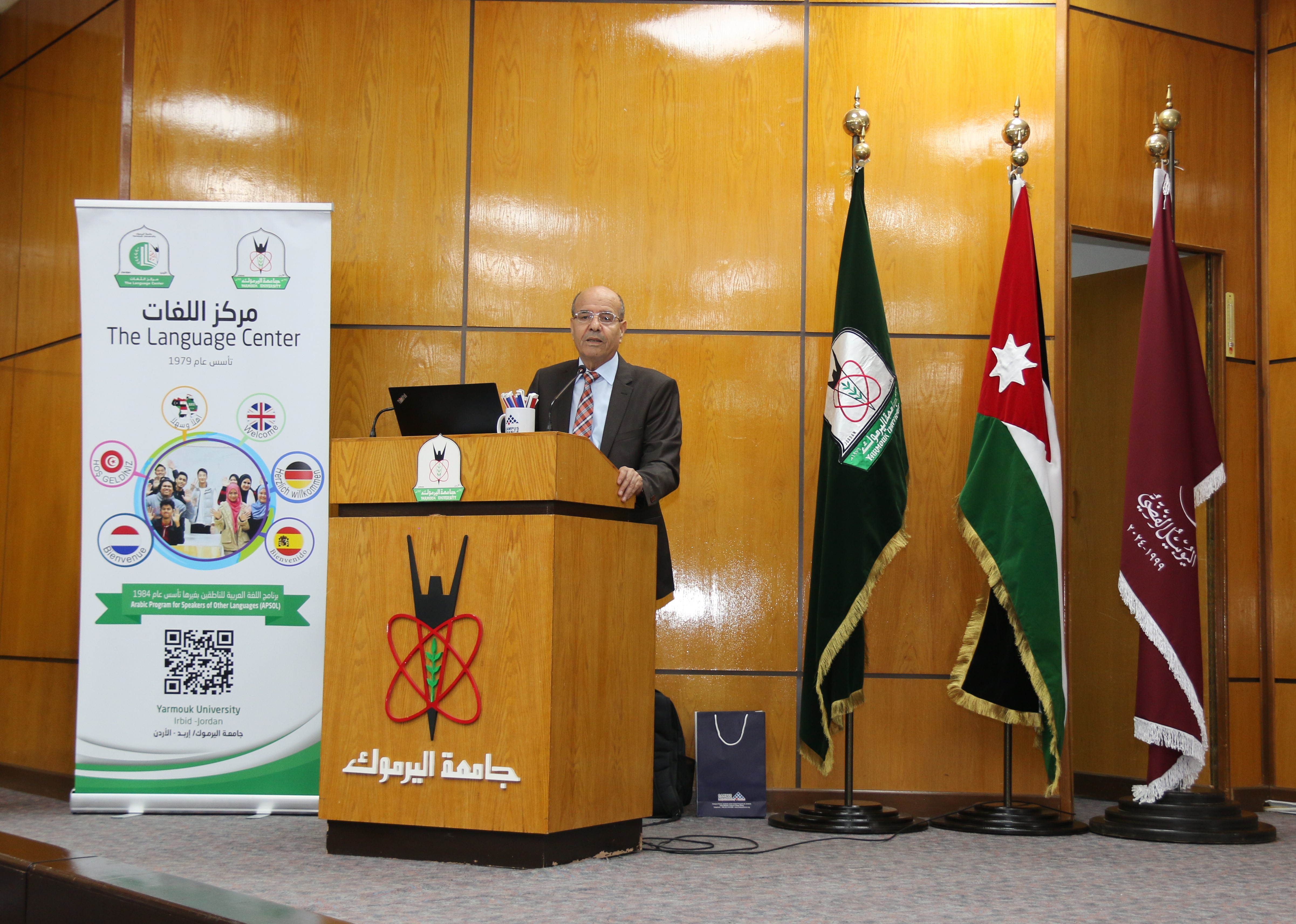
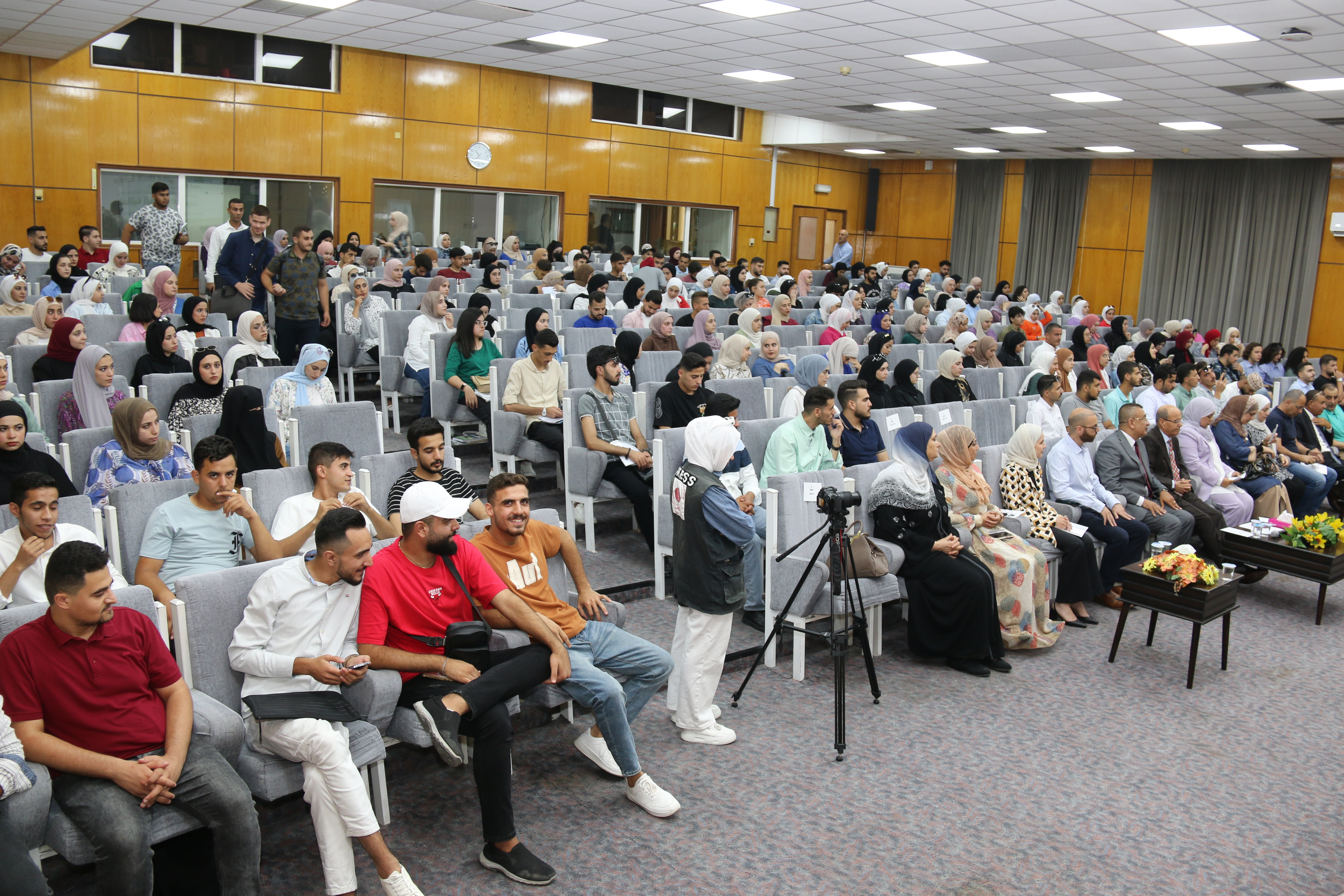
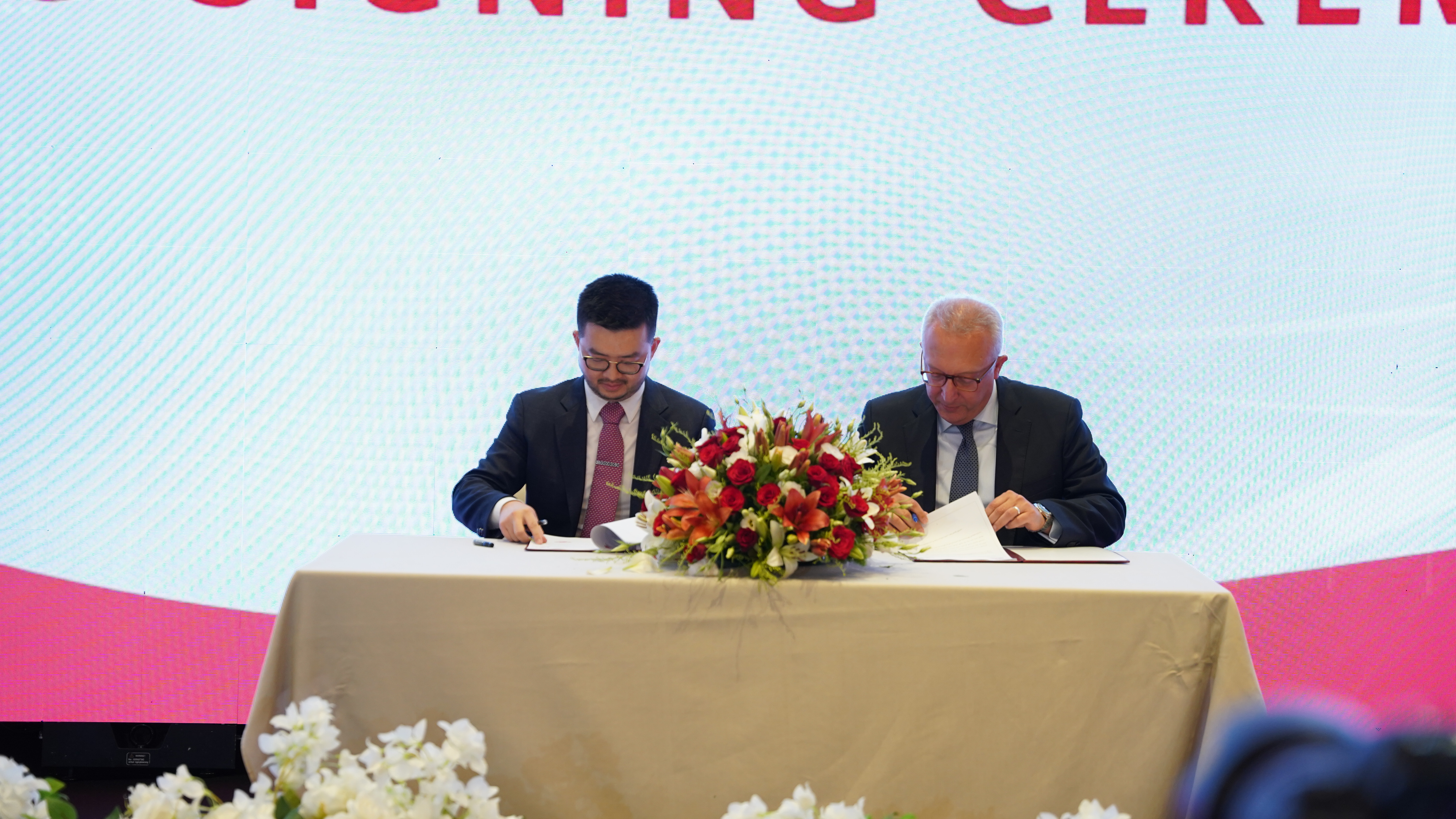
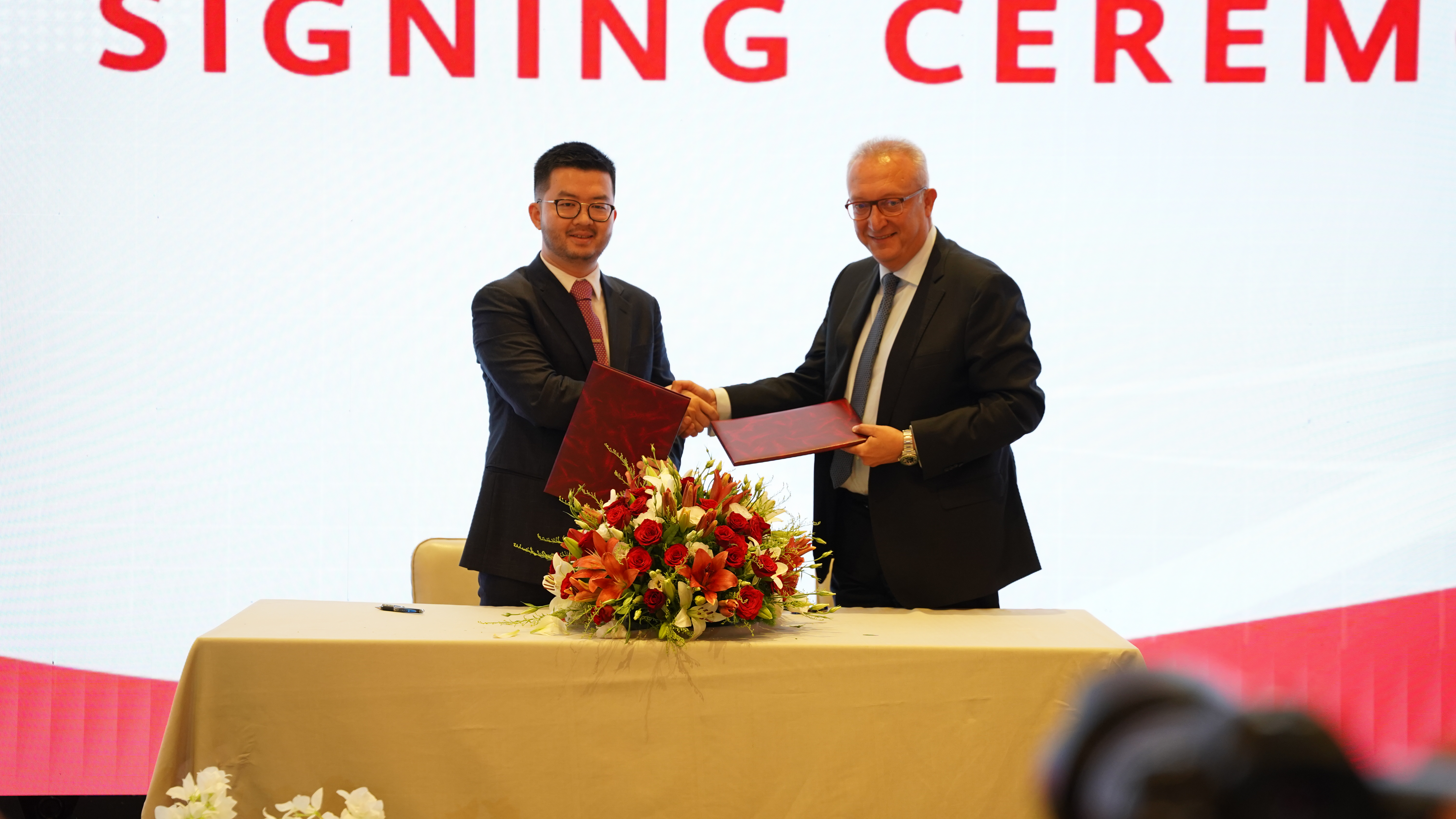
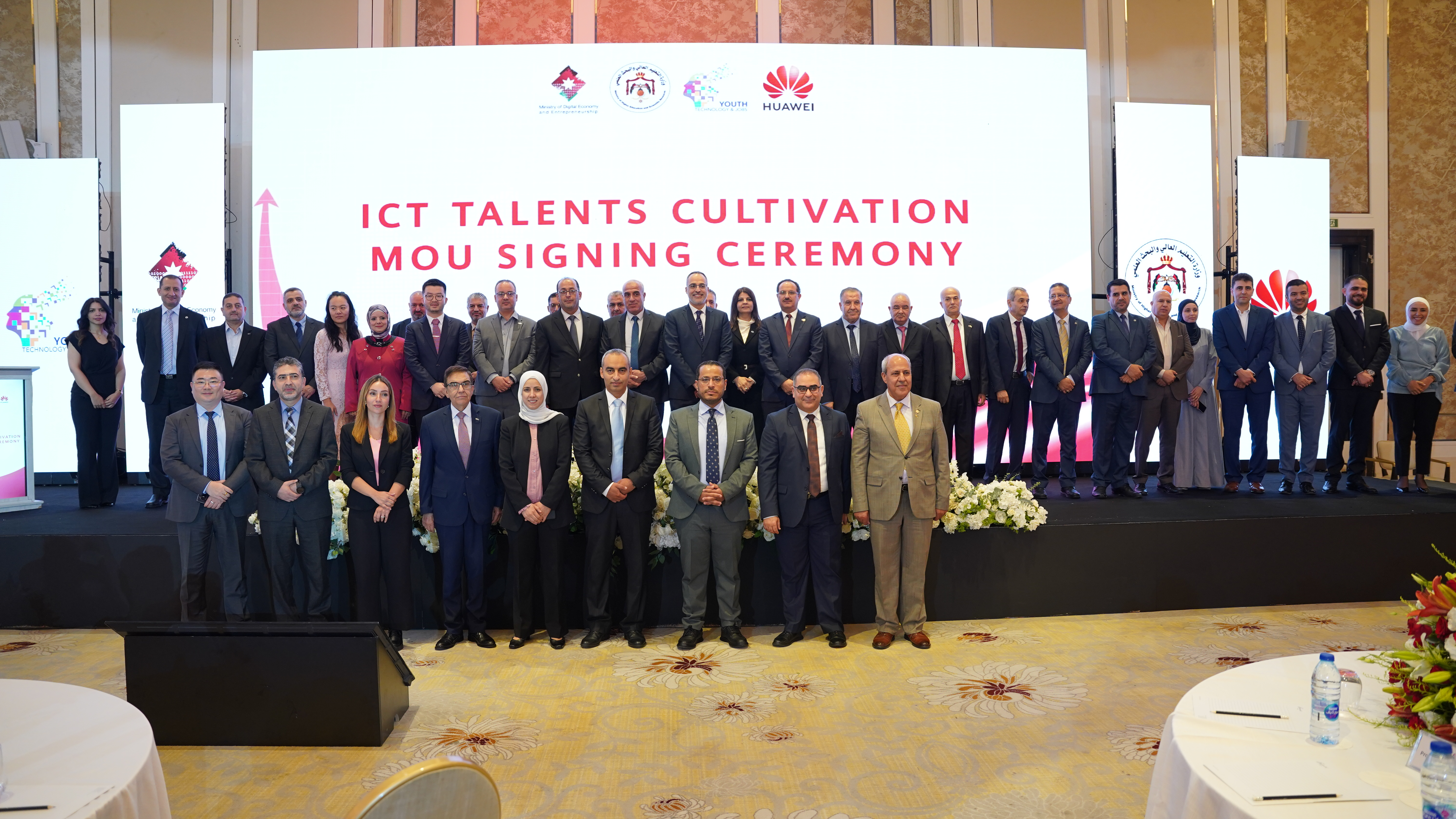
Yarmouk University and Huawei Technologies Cooperative signed a memorandum of understanding to promote education in the field of information and communication technology, signed on behalf of the University by its president, Professor Islam Massad, and on behalf of Huawei, the company's general manager in Jordan, Adam Zhang, in the presence of the Minister of Digital Economy and Entrepreneurship, Ahmed Hanandeh, and the Secretary-General of the Ministry of Higher Education and Scientific Research, Dr. Mamoun Al-Debai.
The MoU aims at finalizing the details of the Huawei Accredited Information and Networks Academy program, as Huawei will cooperate through the Huawei Academy Program with Yarmouk University to develop training courses and certificates by benefiting from the company's technologies in the ICT sector.
The program will also provide students with access to comprehensive ICT courses designed to equip them with the practical skills and certifications needed to succeed in the technology sector.
Massad said that Yarmouk University is always looking forward to deepening and building on its relations with leading companies and institutions in various fields, especially in the field of communications and information technology, as this vital and important economic field is crucial to our prosperity due to the rapid progress the world is witnessing. He added that Yarmouk University always seeks to invest in these relations and employ them in a way that serves the educational process and enhances the academic career, explaining that Yarmouk looks forward, through this memorandum, to enhancing the skills of its professors and students and to developing its curricula, especially in relevant faculties like Information Technology, Computer Science and Hijjawi for Engineering Technology.
For his part, Zhang stressed the importance of this cooperation with one of the leading universities in Jordan and the benefits Yarmouk will get by offering the Huawei Accredited Information and Networks Academy program to its students, noting that this memorandum highlights Huawei's keenness to provide the next generation of ICT professionals with the skills and knowledge necessary to succeed in the global digital economy. The signing of the memorandum was attended by the Dean of the Faculty of Information Technology and Computer Science, Dr. Qasim Radaydeh.
.
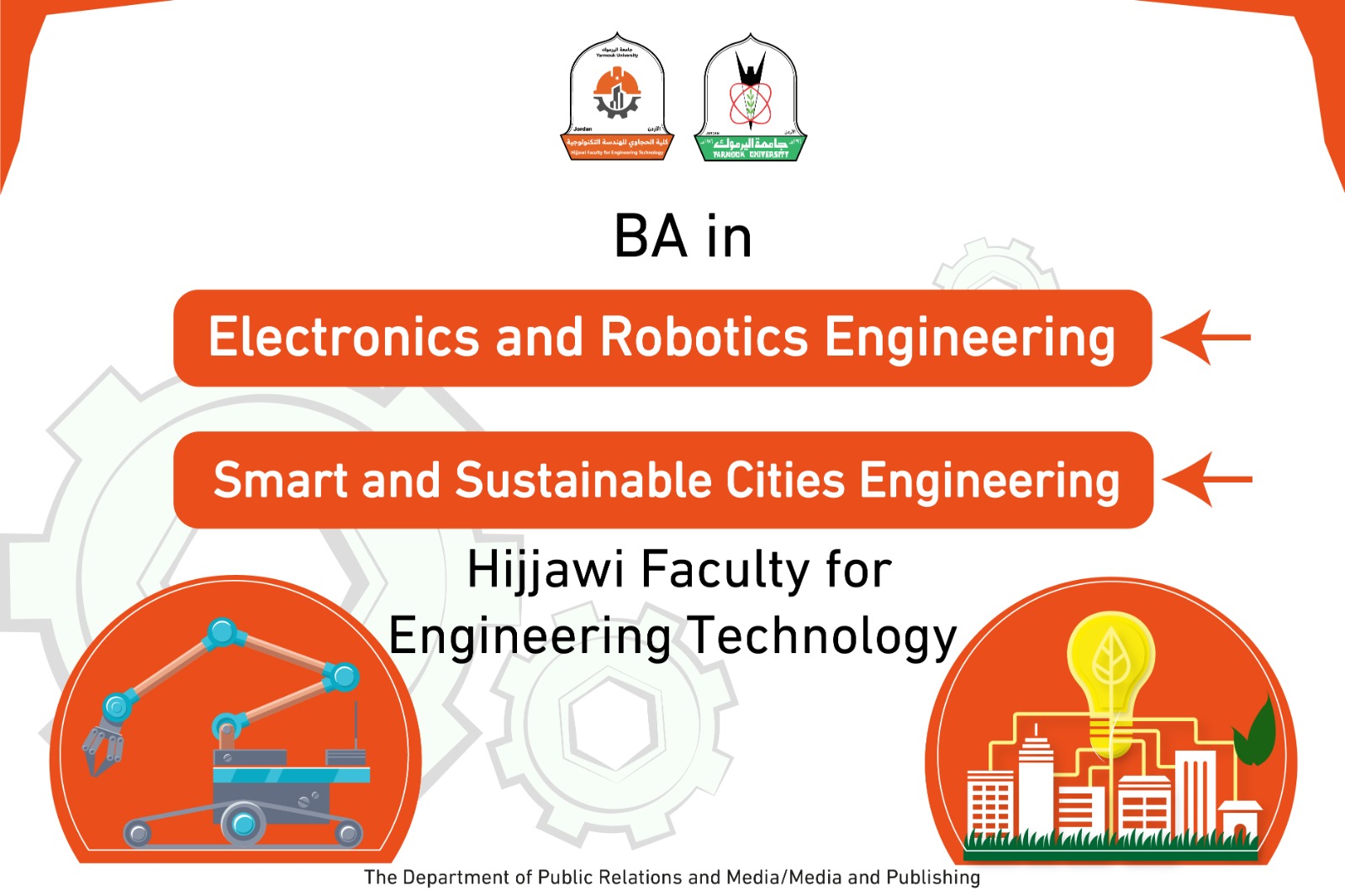
The Higher Education Council decided to approve the establishment of two undergraduate programs in electronics and robotics engineering and smart and sustainable cities, at Al-Hijjawi Faculty of Engineering Technology at Yarmouk University, starting from the first semester of the academic year 2024-2025. The Dean of the Faculty, Professor Muwaffaq Al-Atoum, said that the introduction of the electronics and robotics engineering program came to be the first of its kind at the level of Jordanian universities, and it aims at providing the student with the skills and knowledge necessary for excellence in this vital field, indicating that the student will learn the basics of designing and manufacturing electronic circuits, which is the cornerstone of the semiconductor industry. Moreover, students will gain practical experiences in the development and programming of smart robots, which has become a major part in various fields, such as manufacturing and healthcare. He added that this program is characterized by providing advanced practical education that combines theory and practice, ensuring that its graduate is ready to meet the growing requirements in the labor market, due to the increased need for engineers specialized in electronics and robotics in the local, regional and global market.
Regarding the undergraduate program in smart and sustainable cities engineering, Al-Otoum stressed that this program was established to be the first of its kind at the level of Jordanian universities, and it aims at bridging the gap between technology and sustainability, especially with the rapid growth of the urban population and the need for innovative solutions in the fields of energy, transportation, water management and waste reduction. He then stated that this program ensures the preparation of graduates who are able to face future challenges and turn them into opportunities. Besides, he explained that in this program, the latest technological technologies, such as digital twins, smart grids, and IoT systems be immersed, in conjunction with gaining a solid foundation in sustainable urban planning and artificial intelligence technology. In addition, Al-Otoum explained that the graduates of this program are not only engineers, but also innovative future city leaders, whether they are interested in urban planning, environmental consulting, or smart infrastructure development, as the program provides the opportunity for its graduates to keep pace with the wide and growing fields of this specialization locally, regionally and globally.
With regard to the job opportunities for graduates of these programs, Al-Otoum said that by reviewing all the reports on studying the job opportunities for graduates of engineering disciplines, it is clear that the increasing demand is for specializations that integrate basic engineering sciences on the one hand and modern and emergency technology on the other. He added that what distinguishes the "Electronics and Robotics Engineering" and "Smart and Sustainable Cities Engineering" programs is their integration of modern technology while maintaining the main knowledge in basic engineering sciences by taking into account international standards such as those in the American accreditation ABET and that the study plans for these disciplines include four components in their entirety. Al-Otoum explained that all engineering programs at Yarmouk University include teaching a compulsory course in artificial intelligence, which is unique from the rest of the engineering faculties in the Jordanian universities, in addition to providing an incubating environment for entrepreneurial ideas through student teams, workshops, scientific visits and supported participations inside and outside Jordan.
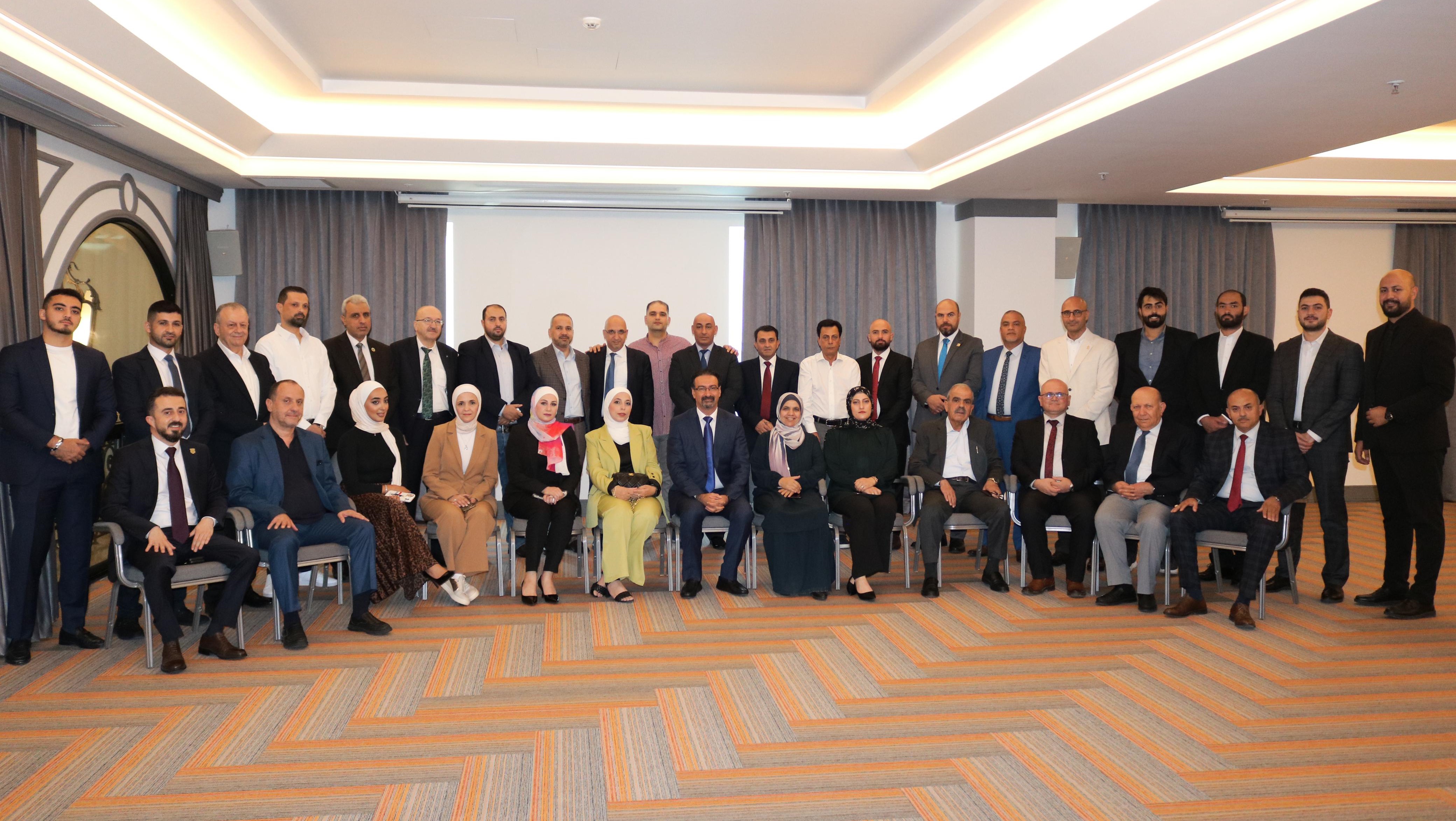
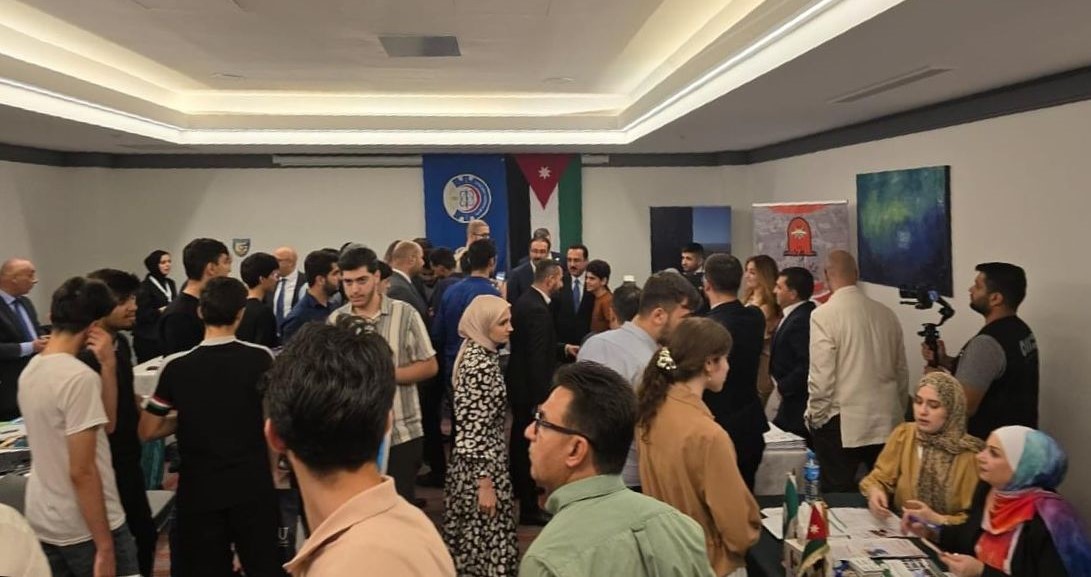
Yarmouk University participated in the activities of the seventh international educational exhibition specialized in educational tourism in the City of Erbil in the Kurdistan region in Iraq, which was opened under the patronage of the Governor of Erbil, Omid Khoshnaw, in the presence of the Jordanian Consul General in Erbil, Fouad Majali. Yarmouk's participation was supported by the Tourism Promotion Board, in cooperation with the International Student Affairs Unit at the Ministry of Higher Education and Scientific Research and the Jordanian Consulate General in Erbil.
Representing Yarmouk at the exhibition, the Head of the Marketing and Advertising Department, Shaza Saadoun, and the Head of the Documents and Information Department, Rami Al-Khatib, presented introductory brochures about the University and the various specializations it offers for the undergraduate and graduate levels in its various faculties, credit hour fees, and job opportunities for its graduates, in addition to the specializations that Yarmouk University recently developed and will start teaching starting from the next academic year 2024/2025. Al-Saadoun and Al-Khatib also met with the Jordanian Consul in Erbil, Fouad Al-Majali, during his tour of the corridors of the pavilions of Jordanian universities at the exhibition, where Al-Majali praised the reputation of Yarmouk University and the distinguished level of its graduates, stressing the importance of the participation of Jordanian universities in such international educational exhibitions, which enables them to market their various specializations and attract international students.
It is noteworthy that the participation of Jordan in this exhibition comes after the decision of the Ministry of Higher Education and Scientific Research in the Kurdistan Region to officially recognize all Jordanian public and private universities that participated in the activities of the Jordanian-Kurdistan Higher Education Forum (Erbil-2024), which was held last May of 2024, where participating universities signed agreements with Kurdish universities in the governorates of Erbil, Sulaymaniyah, and Dohuk.