The preparation of scientific competencies in various fields of knowledge, and the production of innovative scientific research aims to serve society by providing exemplary education in an intellectually stimulating university environment.
Jobs | Scholarships | Students | Staff | Alumni

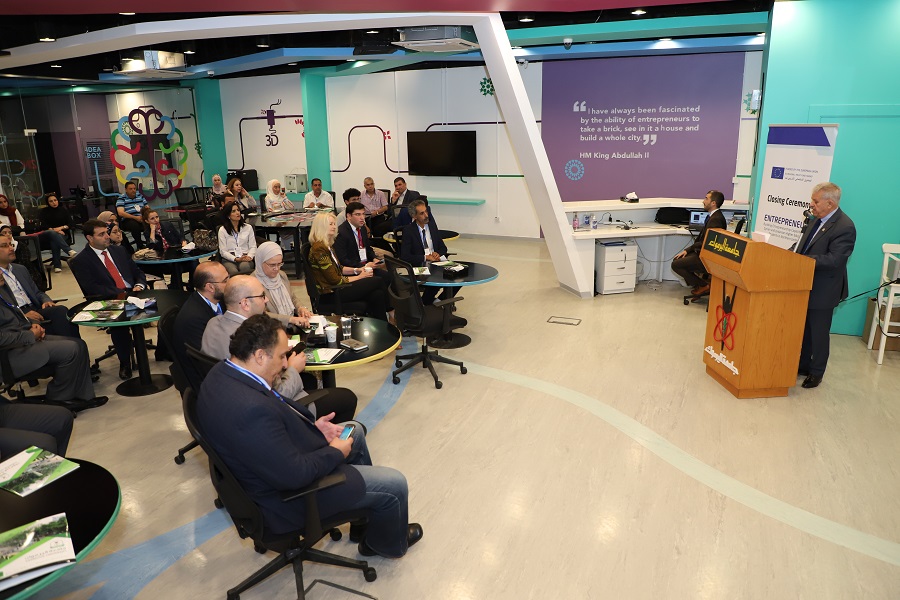
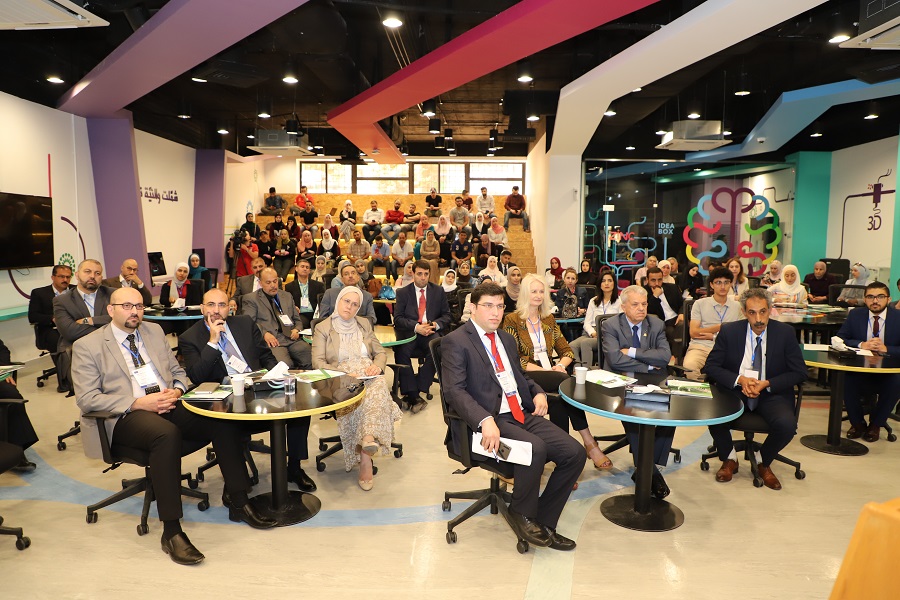
The President of Yarmouk University, Prof. Zeidan Kafafi, sponsored the closing ceremony of the “RIADI” project, which is implemented by the University under the framework of the scholarship of the HOPES program funded by the European Regional Trust Fund for Responding to the Syrian Crisis “Madad Fund”, which is executed by the German Scientific Exchange DAAD in partnership with the British Cultural Center, Campus France, and the Dutch Commission for International Cooperation in Nuffic Higher Education. In a speech delivered during the ceremony, Kafafi stressed the university's interest to provide a sound educational environment for its students, offer various academic programs that meet their aspirations, and include distinguished competencies in their teaching and administrative staff, thus preparing students and qualifying them with the leading skills necessary to enable them economically and socially. He then pointed out that Yarmouk University has always been able to achieve balance between its academic programs dealing with various humanities, scientific, and medical topics; simultaneously, it has always sought to develop new academic programs that keep pace with the changes in the world in various scientific fields.
He then explained that Yarmouk, as a national institution that has a social responsibility towards the local community, was the pioneer in the establishment of the Refugees, Displaced Persons and Forced Migration Studies Center in 1992. He explained that since the beginning of the Syrian crisis, the University has implemented nearly twenty international projects to serve Syrian refugees in the northern region of Jordan attempting to qualify and prepare refugees to be productive individuals in the host communities.
In his turn, the project director, the Director of International Relations and Projects at the university; Dr. Mowaffaq Al-Atoum, explained that the number of Syrian refugees officially registered in Jordan in 2018 reached 657,628, and that a large number of them were concentrated in the northern region, especially in Irbid governorate, which caused a great pressure on the Jordanian society, especially at the educational sector and the labor market. Thus, the idea of the project focused on entrepreneurship and providing young people with the appropriate skills to build their future aspirations. He also mentioned that through the project, a business incubator was established on the campus, thus providing an opportunity for Jordanian youth and Syrian refugees to design and develop their entrepreneurial ideas.
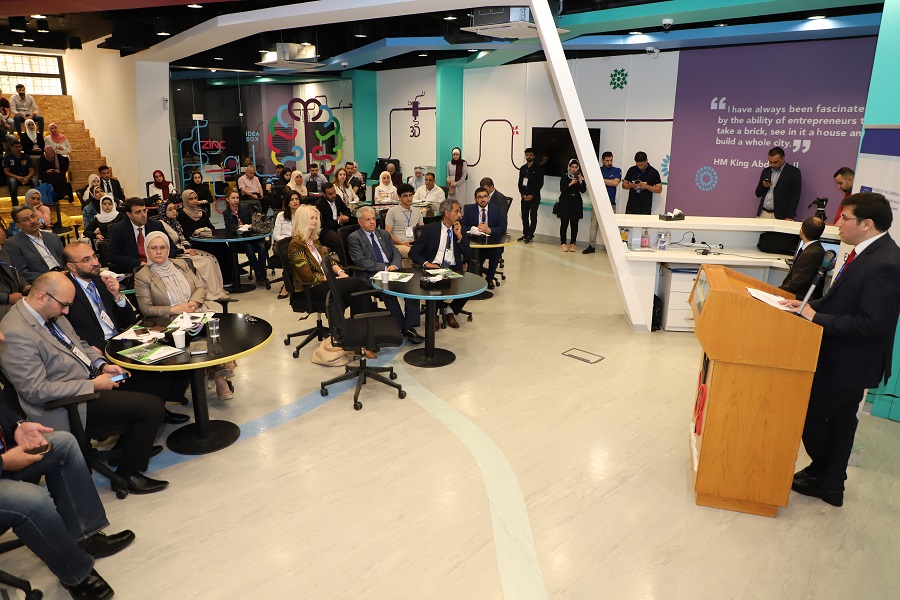
Dr. Nasser Al Hindawi from HOPES thanked Jordan for its cooperation in the success of this project, praising the efforts of the project team who supported the students and motivated them to keep developing their entrepreneurial ideas through creating short-term projects that can enable them to build their future. He pointed out that the HOPES program received 128 requests for projects support and that just eight projects were selected. Among those eight, as he mentioned, four projects are from Yarmouk University, something that indicates the outstanding level of projects submitted by the university and the outstanding supervision devoted by the faculty members of the university to their students.
During the closing ceremony, the incubator's director, Dr. Yazan Al-Essa, briefly introduced the ideas adopted by the incubator and the stages of translating them into projects on the ground. However, the ceremony was attended by the Director of the DAAD Office in Jordan, Gabriela von Verkes, a number of deans, faculty members, university officials, students involved in the project, and some students' families.

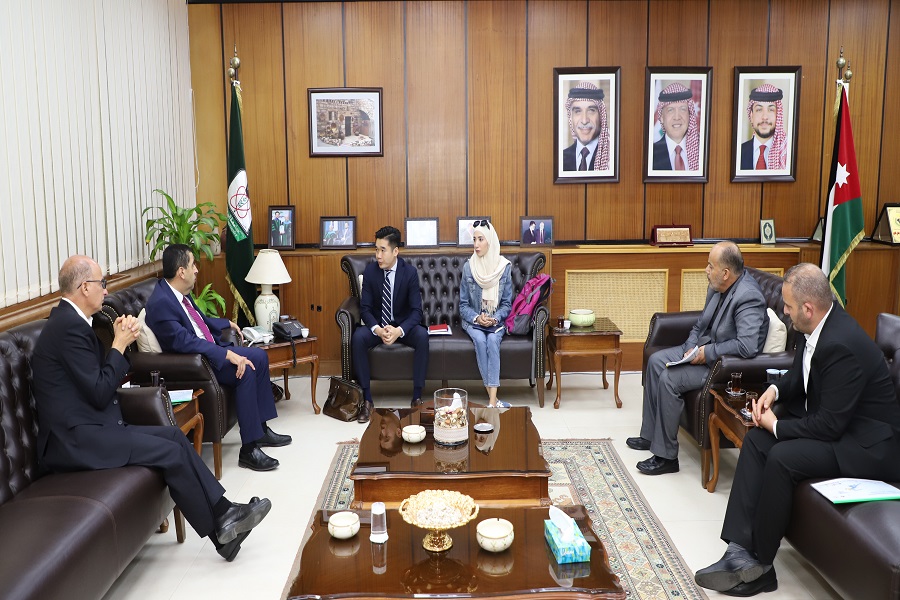
The Vice President of Yarmouk University for Scientific Faculties and Financial Affairs, Prof. Ahmad Al-Ajlouni, has met with Huang Chessy, the Public Relations Manager at Huawei in Jordan, and they discussed possible cooperation between the two sides in areas of mutual interest. Al-Ajlouni affirmed Yarmouk's devotion to extend cooperation with Huawei, considering it as one of the leading companies at the international level in the ICT sector. Also, he pointed out the widespread achievement of the company in Jordan through its cooperation with Jordanian telecommunications companies. Then he expressed his hope that the cooperation between Yarmouk and Huawei will be framed to establish the "Huawei Academy" at the university, which is a platform for training and developing human resources in the ICT sector. Prof. Al-Ajlouni explained that such an academy supports the plans and visions of the university to train students and qualify them with modern scientific skills and knowledge and that it may direct all vital sectors to advanced technological solutions. Moreover, Prof. Al-Ajlouni emphasized the high scientific level of graduates of Hijjawi Faculty of Engineering and the Faculty of Information Technology and Computer Science at the University, who have proven their competence in the labor market and received multiple scientific awards at the local, regional and international level. He added that the university seeks to engage its students in various methodological and extracurricular competitions, believing in the importance of these participations to develop the participants' skills and enrich their knowledge, thus raising the level of competitiveness in the labor market.
In his turn, Chessey praised the outstanding scientific reputation of Yarmouk University, especially in the fields of engineering and information technology, and he expressed his hope that a huge number of university students would participate in Huawei ICT competition for the Middle East this year. He explained that the competition aims at developing the talents in the ICT industry. However, Chessey pointed out the possibility of working by both sides and framing future cooperation between Huawei and Yarmouk in areas of common interest. He also emphasized the possibility of opening the Hawai Academy at Yarmouk University to provide training and rehabilitation services for university students and community members in the northern region.
The meeting was attended by the Dean of Al-Hijjawi Faculty of Technology Engineering, Dr. Ahmed Al-Shamali, the dean of the faculty of Information Technology and Computer Science; Dr. Samer Samara, the Director of the Computer Center, Mr. Ishaq Matalqa, the Director of Public Relations and Media, Mr. Mukhlis Al-Abini, and the Public Relations Coordinator at Huawei in Jordan, Nouran Abu Rabie.
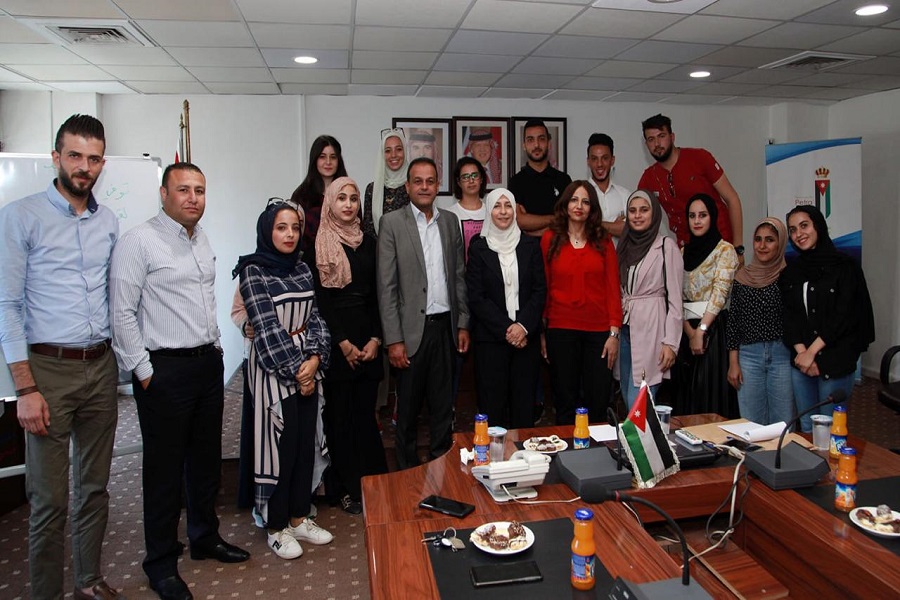
Twenty-two students from the Faculty of Mass Communication at Yarmouk University completed a two-month field training program, which included practical and field training in the press directorates, at the Jordanian News Agency, Petra. The General Director of the Jordan News Agency, Fayrouz Mubaideen, stressed the importance of field training in providing students with practical skills and professional experiences. She reviewed the role of Petra's Training Directorate in the service of governmental institutions and media faculties at universities and pointed out that Petra is always up to date regarding any technological developments that the press and media sects are witnessing. She also encouraged students to get a hold of modern media tools and to take advantage of the high professional standards adopted by the agency in its editorial policy.
For his part, prof. Ali Al-Zinat from the Faculty of Mass Communication at Yarmouk University praised Petra's professional competencies and its contribution to the enhancement of students' professional skills and conception of professionalism. Besides, the participant students confirmed that they have acquired many skills after practicing journalism in the various directorates of the Agency and expressed their gratitude to Yarmouk and Petra for offering them such an opportunity. At the end, certificates were delivered to the program’s students.
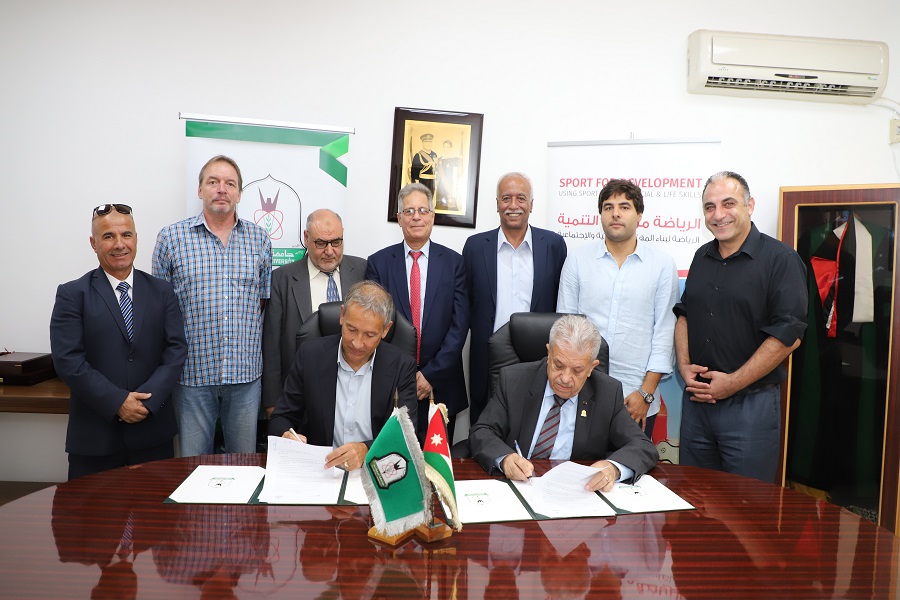
Yarmouk University signed a cooperation agreement with the ‘Sport for Regional Development’ program of the German Agency for International Cooperation (GIZ), which aims at supporting the cooperation between the two sides in sports related issues at the national level, and at developing and widening sports and physical activities field in Jordan. The cooperation agreement was signed by the president of the university, Prof. Zeidan Kafafi and by the Director of the ‘Sport for Development’ Project in Jordan, Mr. Henning Schick.
According to the agreement, the ‘Sport for Regional Development’ program will provide an intensive and integrated workshop for students of the Faculty of Physical Education at the university focusing on the skills necessary to prepare them to be trainers and teachers to train school students and children in sports and explore the skills of the talented to develop them.
During the signing ceremony, Prof. Kafafi stressed that Yarmouk is keen on preparing its students and equipping them with the necessary scientific and practical skills and raising their academic and professional level in order to qualify them to enter the labor market. Thus, they can play their role in developing national institutions and supporting the sustainable development process in all sectors. He also pointed out the university's relentless devotion to update and develop the plans and curricula of the Faculty of Physical Education to keep pace with the developments witnessed in the world in all fields. In addition, Prof. Kafafi stressed the need to support Jordanian athletes and local sports clubs by developing their athletic skills, thus elevating them in sports competitions enrollment at the local, regional, and international levels.
Prof. Kafafi then proceeded to talk about the depth of relations that link Yarmouk with various German educational institutions. Yarmouk, he stated, is willing to welcome and attract as many experts, specialists, and academics as possible from various German educational institutions to spend a semester or more in the various faculties of the university. He also confirmed that activating the exchange programs of students and faculty members between Yarmouk and German educational institutions are to achieve the followings: to contribute to the exchange of experiences and knowledge, to reflect the University's endeavor to provide outstanding education among students, to provide a stimulating educational environment for creativity, and to inject the local community with youth energies capable of creativity and entrepreneurship.
For his part, Mr. Schick praised the distinguished scientific reputation of Yarmouk University in the region, emphasizing the depth of the cooperation relations between the German Agency for International Cooperation and Yarmouk University and pointing out that ‘Sport for Development’ is a regional program implemented in both Jordan and Iraq. He explained that the program seeks to harness sport and use it as a tool to support social cohesion and prevent violence between children and youth. The program, through the application of a sports methodology specifically designed for school students and members of the community, allows the targeted members to properly engage in sports and develop the skills of the talented, and support them to achieve their ambitions and dreams.
The signing ceremony was attended by the Vice President for Humanities Faculties and Administrative Affairs, Prof. Anis Khasawneh, the Vice President for Student Affairs and Foreign Relations, Prof. Fawwaz Al-Abed Al-Haq, the Dean of the Faculty of Physical Education, Prof. Nabil Shamroukh, and a number of officials from the University and the German Agency for International Cooperation.
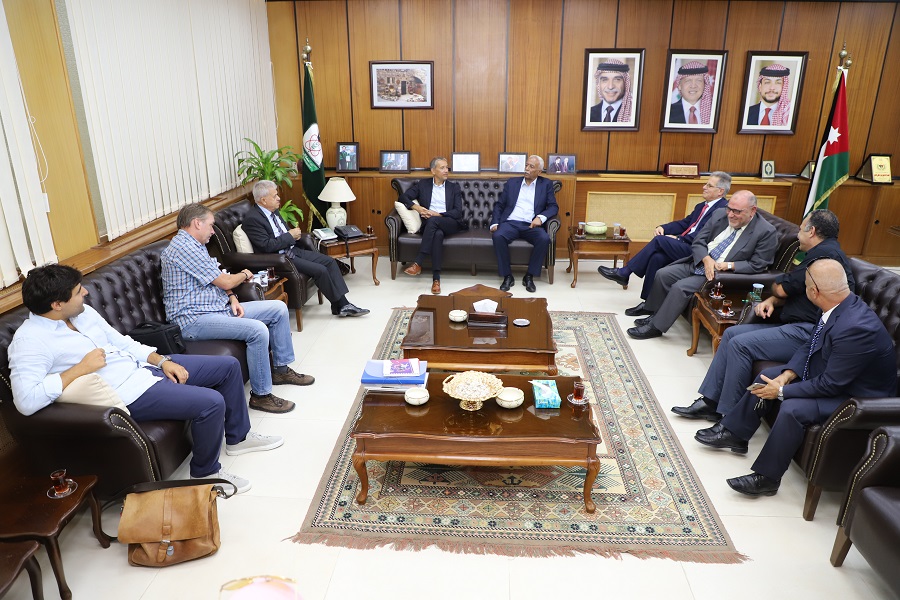

The Faculty of Medicine at Yarmouk University, in partnership with its counterparts from the faculties of medicine in the Jordanian public universities and with the support of the European Union in the Erasmus Plus program, received a fund to developing teaching plans in the medical major. The Dean of the Faculty of Medicine at the University, Dr. Wissam Shehadeh, expressed his gratitude to the project team members who came from the different Jordanian universities and who contributed to the preparation of the project. He emphasized that the project will lead to a qualitative leap in the study plans of medical faculties as well as medical education in Jordan. In addition, he appreciated the efforts made by Erasmus+ staff and their continuous contribution to various universities and educational institutions in Jordan.
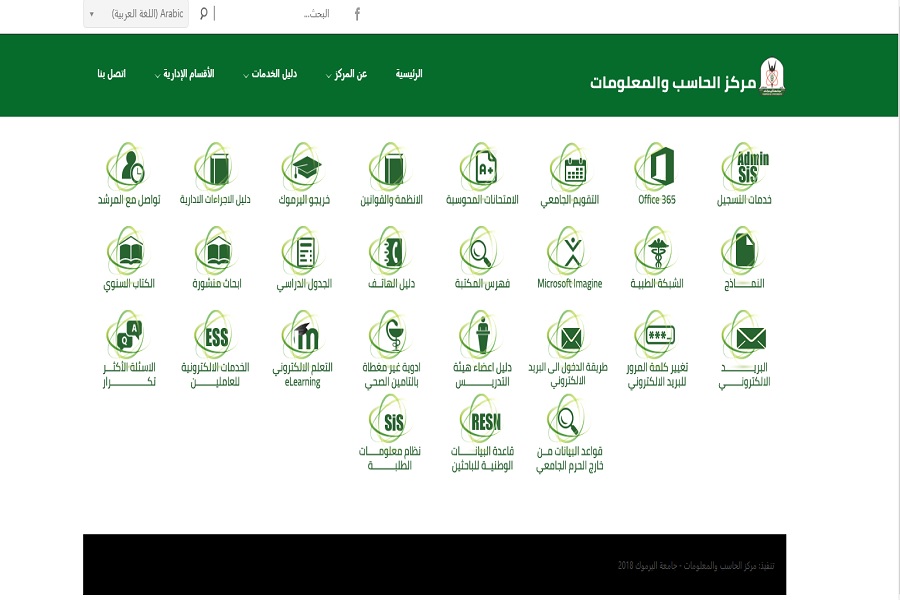
The Computer and Information Center of Yarmouk University has developed, launched, and updated a set of new electronic systems and services for students and faculty members. Among these electronic services outstands an electronic university enrollment system for Diploma programs in the Faculty of Education, which is launched in collaboration with the Admission and Registration Department. Also, the payment service of all electronic enrollment applications (Higher Education, Parallel Education, and Diploma) is made electronic through E-fawateercom service, thus making tuition payment easier for those who wish to enroll in the university.
Moreover, in collaboration with the Deanship of Scientific Research and Graduate Studies, the Computer and Information Center computerized applying for scientific publishing incentives for the academic faculty members through its (LTR) system username registration. The system requires that the data related to the scientific publication (whether it be an academic paper, book, or chapter of a book) and the data of the authorship are to be filled by the applicant(s); then such data is to be checked by certain departments in the Deanship of Scientific Research and Graduate Studies, which will be responsible for making the final decision.
Besides, the Computer Center in collaboration with the Department of Human Resources/Health Insurance sect. launched four new electronic services for the members of both the academic and administrative faculties in the university. The first new service is uploading or changing personal pictures for the participants or users of the university health insurance electronically. This is thought to be an advanced step for enabling users of the university health insurance to issue their own insurance cards electronically, without being in need for visiting the Department of Human Resources. Second, in collaboration with the concerned liaison officer, the service of applying for cellular lines and Internet subscription was also launched electronically. Third, in collaboration with the Department of Supplies, the Center launched the service of investigating about the custody of the buildings by the deans or directors of the different organizational units, leave aside the head of the divan section. Fourth, the Center launched the service of providing the return of the custody of the building electronically (through the dean, director of the organizational unit, and/or head of the divan section).
However, the director of the Computer Center, Mr. Eshaq Matalqah, pointed out that the electronic applications offered by the Computer and Informantion Center have now reached a total of 50 services. He mentioned that these new services and systems come within the plan of the Computer and Informantion Center to lessen the paperwork used at the university, which saves effort, time, as well as money and helps the university gets rid of the traditional paperwork used in the university's official internal mail. In addition, Mr. Matalqah referred to the fact that the Center, for the sake of keeping such services functioning well, has started a new server hardware system that runs faster than the previous one, which guarantees fast response and high-quality performance of the university hardware system, specifically the Student Information System (SIS) and the Employee Self Service system (ESS).
An academic research team from Yarmouk University, in partnership with the Spanish University of Granada and a number of Palestinian and European universities, has received support from the European Union, within the Erasmus + program, to implement a project that aims at establishing and developing a training diploma program on the neurological development of refugee children in the host communities.
The project, entitled NeuCaRe, is based on learning outcomes and the use of ICTs and integrated education, and it includes educational tools, methodologies, and pedagogical and social methods. Through the project, new and innovative curricula and teaching methodologies will be developed and a variety of courses on care and neurological development of refugee children will be introduced.
The team from Yarmouk University includes Dr. Ayat Nashwan of the Faculty of Arts, Dr. Anas Al-Subuh of the Faculty of Information Technology and Computer Science, Dr. Muawiya Al-Khatatbeh from the Faculty of Medicine, and Dr. Ibtisam Rababaa from the Faculty of Education.
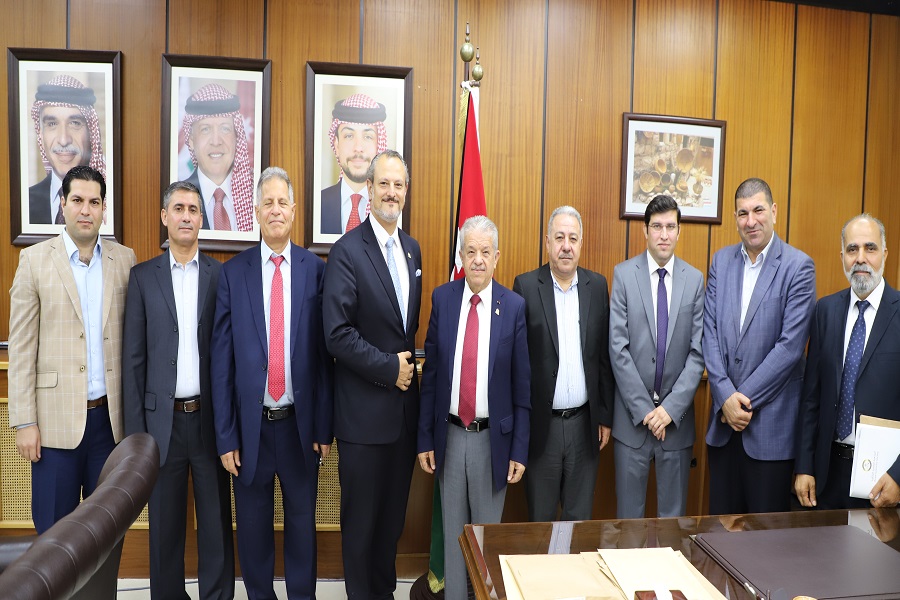
The president of Yarmouk University, Prof. Zeidan Kafafi, recently met with the director of the Intellectual Property Trade Office of the Scientific Association (Ipark). The meeting was part of congregation of the International Initiative Committee, which aims at supporting the universal innovation environment, ‘The Next Society’, strengthening the values of creativity, pushing development efforts, and developing scientific research in which Yarmouk University is pioneering among other Jordanian institutions.
During the meeting, the two parties discussed possible cooperation between Yarmouk University and the Intellectual Property Trading Office in the fields of training and consultation, which should result in exchanging experiences and knowledge among the two parties. Prof. Kafafi confirmed Yarmouk’s interest in participating in international projects of all fields as such participation benefits the university as well as the teaching board, contributes to exchanging experiences and scientific skills among participants of the project, provides an idea about other pioneering educational associations’ experiences, and enables the deployment of such experiences for developing the educational process at Yarmouk University. This eventually, as Prof. Kafafi stated, reflects on the level of Yarmouk’s graduates who will help to renew national associations and push the sustainable development process in all sectors.
Pointing out the need to activate cooperation between the different scientific, research, and academic institutions with the university, Prof. Kafafi stressed the depth of relations between Yarmouk University and the Royal Scientific Society, which is considered an incubator of creativity and innovation. He confirmed that the cooperation always leads to exchanging experiences and joint work, which results in advancing Jordan's academic institutions and keeping pace with the tremendous developments witnessed by the world in the fields of information and technology transfer and intellectual property. He also noted that knowledge is no longer exclusive to any party and does belong to all people and that the great overlap between multiple sciences opens great prospects for creativity and innovation, considering the inevitable need for basic sciences despite the huge developments and major changes in all scientific fields. Prof. Kafafi added that Yarmouk, as one of the leading Jordanian universities, is keen to expand bridges of cooperation with the various scientific and research institutions to pelletizing scientific research along with encouraging creativity and innovation, considering that Yarmouk was established to be an incubator of science and academic research that contributes to the development of the society.
In return, Jaafari stressed the keenness of the Royal Scientific Society to institutionalize cooperation relations with the various Jordanian universities, pointing out the readiness of the Intellectual Property Trade Office to provide all training and consultation services to Yarmouk University, as one of the pillars of scientific research in Jordan. He mentioned that Yarmouk was the first university in Jordan to compose intellectual property instructions, which took place in 1978. He then reviewed the services of the Intellectual Property Trade Office, which seeks to support technology transfer offices in the national institutions, and emphasized their role in achieving development, entrepreneurship, and supporting innovation.
All in all, the meeting was highly productive and was attended by the University Vice President for Humanities Faculties and Administrative Affairs, Prof. Anis Khassawneh, the Dean of the Faculty of Tourism, Prof. Mohammed Al-Shannaq, the Director of the Department of International Relations and Projects, Dr. Mwaffaq Otoom, the Director of the Center for Entrepreneurship and Innovation, Dr. Mahmoud Al-Mestrihi, the Dean Assistant of the Faculty of Information Technology and Computer Sciences, Dr. Yazan Al-Shboul, the Chair of the Scientific Research Department in the Deanship of Graduate Studies and Scientific Research Mr. Mahmoud Alsouki, and the Director of the Department of Public Relations and Media, Mr. Mukhles Al-Ibbeni.
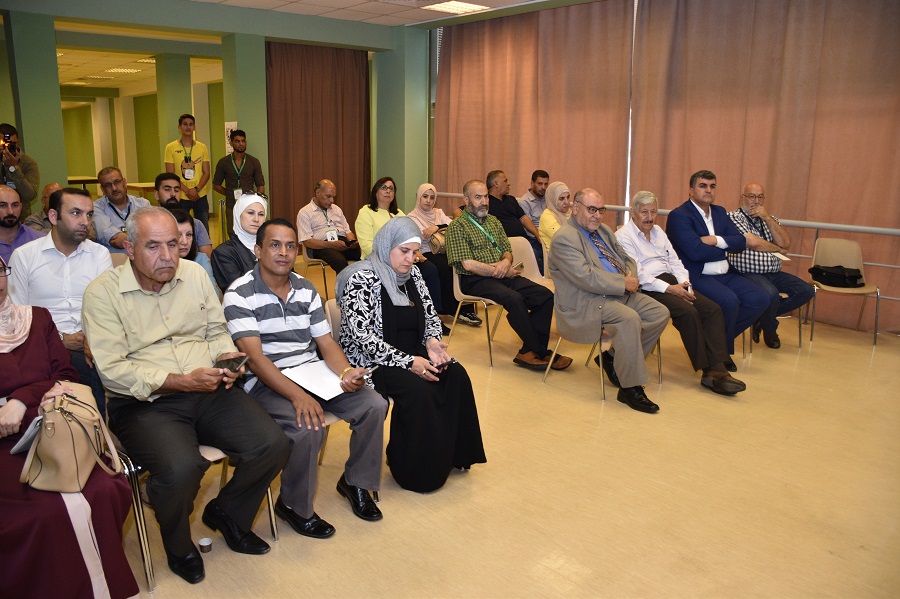
New World New Mind: Moving Toward Conscious Evolution by Robert Ornstein and Paul Ehrlich, translated by Ahmad Mustageer, was discussed in the presence of the University Vice President for Student Affairs and External Relations, Prof. Fawwaz Al-Abed Al-Haq. The event took place during the first summer cultural ceremonies arranged by Al-Husain bin Talal library at Yarmouk University in collaboration with Irbid Directorate of Culture. The novelists, namely Hashem Gharaibeh, Rawanda Kafarneh, and Muath Bani Amer participated in discussing the book, specifically the effects and inventions of mankind in our world. They pointed out that the ‘development’ that mankind has achieved in the world has created many damages that humans aren’t fully aware of yet. Also, they confirmed that humans must take a second look at the world and start creating new ways of thinking to be suitable for the world as we know it today. Otherwise, the world will suffer severe consequences that’ll wipe out all previous civilizations.
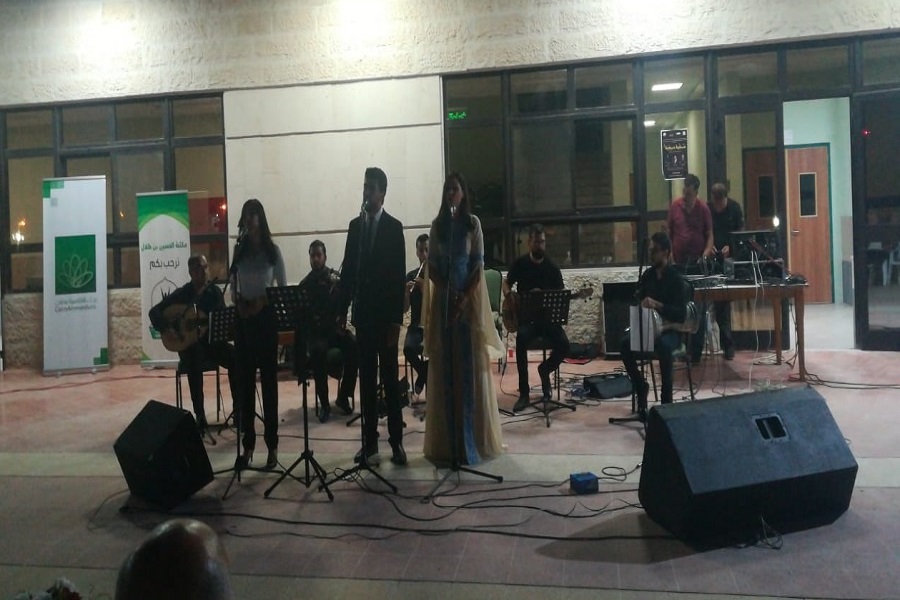
In addition, the library hosted a musical concert called "Oriental Summer", which was played by a band from Krishindo Institute of Music and Arts, which was established in 2015 and became then an important provider of creative artistic individuals in Jordan. The band performed many songs of the Jordanian-Palestinian heritage featuring the artists, Yazan Sabagh, Lena Saadah, and Natali Samaan who were accompanied by their supervisor, Omar Abaad. The concert was patronized by the Vice President for Scientific Faculties and Administrative Affairs, Prof. Anis Khasawneh.
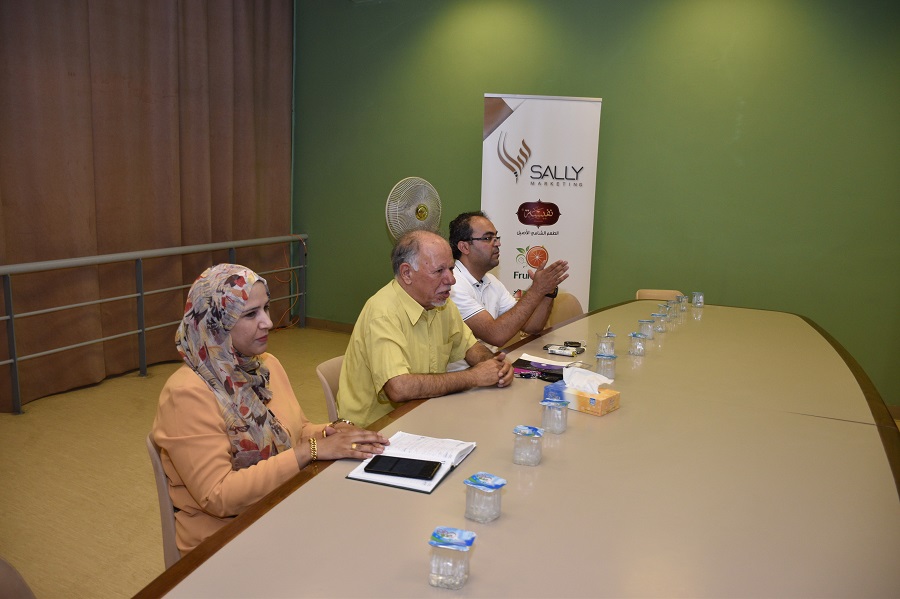
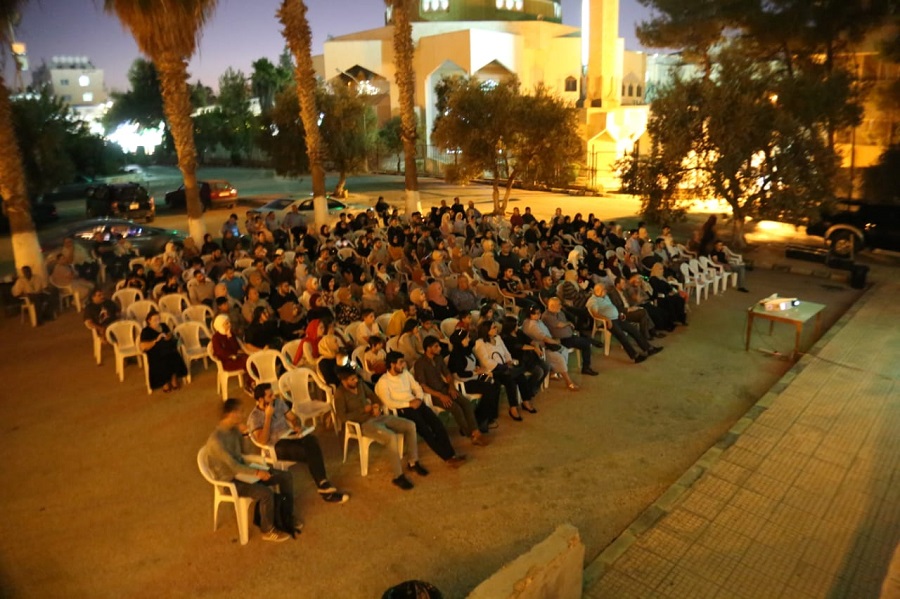
Moreover, the library offered a movie's premiere of the Palestinian movie ‘’Palestine stereo", which was written and directed by Rasheed Mshharawi in the outdoor courtyard. The movie tells the story of two siblings from Jenine refugee camp who’ve been hurt badly since moving there. Therefore, they’ve decided to open an audio hardware rental shop for ceremonial necessities in order to collect enough money to emigrate from Palestine to Canada. Yet, their project doesn’t go as planned. However, after the movie’s premiere, a discussion of movie was directed by Dr. Mohammad Al-Omari of the Faculty of Education.